《七律·长征》全诗赏析:从历史背景到文学价值的深度解读
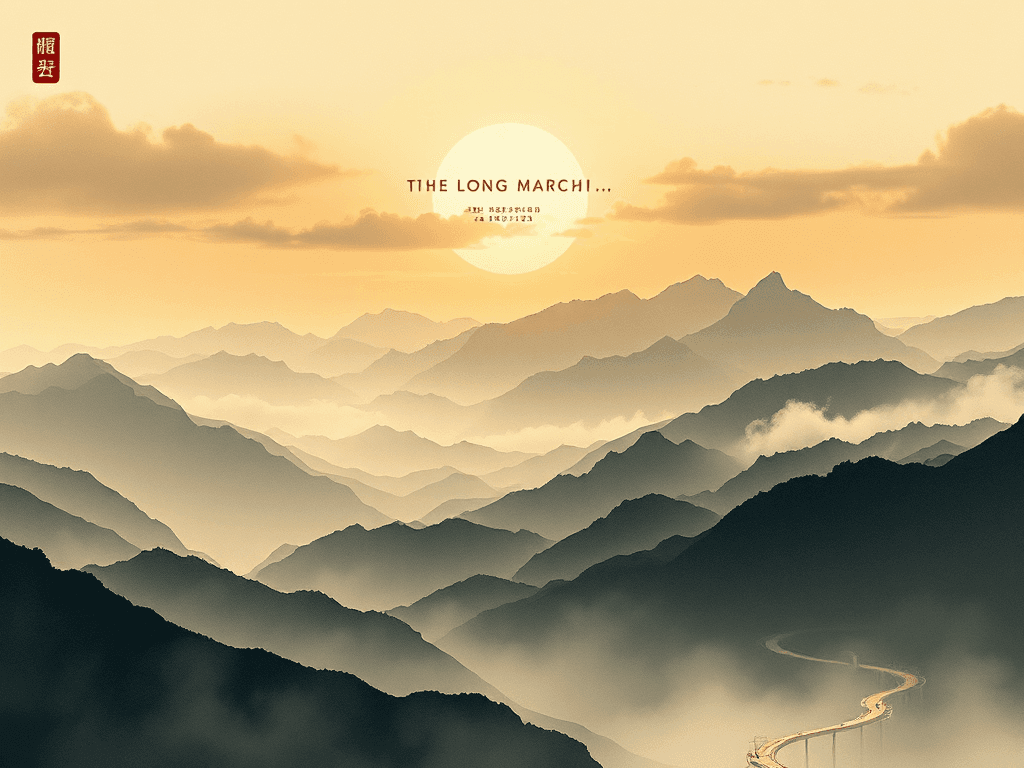
《七律·长征》是毛泽东在1935年10月创作的一首七言律诗,以56个字高度概括了红军长征的艰难历程,展现了革命英雄主义和乐观主义精神。本文从诗歌原文、白话译文、创作背景、文学赏析等多个角度进行深度解读。
诗歌原文
《七律·长征》A seven-character regulated verse poem by Mao Zedong, commemorating the Long March of the Red Army.
近现代:毛泽东Mao Zedong, a Chinese communist revolutionary and the founding father of the People's Republic of China.
红军The Chinese Red Army, the military force of the Communist Party of China during the Chinese Civil War and the Long March.不怕远征难,万水千山只等闲。
五岭The Five Ridges, a series of mountain ranges in southern China crossed during the Long March.逶迤腾细浪,乌蒙磅礴走泥丸。
金沙水拍云崖暖,大渡桥横铁索寒。
更喜岷山Min Mountains, a mountain range in Sichuan, China, the final major obstacle crossed by the Red Army during the Long March.千里雪,三军过后尽开颜。
白话译文
红军The Chinese Red Army, the military force of the Communist Party of China during the Chinese Civil War and the Long March.不怕万里长征The Long March, a strategic retreat by the Red Army of the Communist Party of China from 1934 to 1935.路上的一切艰难困苦,把千山万水都看得极为平常。
五岭The Five Ridges, a series of mountain ranges in southern China crossed during the Long March.山脉绵延不绝,可在红军The Chinese Red Army, the military force of the Communist Party of China during the Chinese Civil War and the Long March.眼里不过像翻腾着的细小波浪;乌蒙山Wumeng Mountains, a mountain range in Yunnan and Guizhou provinces, China, crossed during the Long March.高大雄伟,在红军The Chinese Red Army, the military force of the Communist Party of China during the Chinese Civil War and the Long March.眼里也不过像在脚下滚过的泥丸。
金沙江Jinsha River, the upper section of the Yangtze River in China, a key crossing point during the Long March.浊浪滔天,湍急的流水拍击着高耸的山崖,给人以温暖的感觉。大渡河A Chinese film focusing on the Red Army's famous crossing of the Dadu River during the Long March.上的泸定桥Luding Bridge, an iron-chain suspension bridge over the Dadu River, famously crossed during the Long March.横跨东西两岸,那晃动着凌空高悬的根根铁索,寒意阵阵。
更加令人欣喜的是千里岷山Min Mountains, a mountain range in Sichuan, China, the final major obstacle crossed by the Red Army during the Long March.,皑皑白雪,红军The Chinese Red Army, the military force of the Communist Party of China during the Chinese Civil War and the Long March.翻越过去以后人人心情开朗,个个笑逐颜开。
创作背景
1935年10月,中央红军The Central Red Army, specifically the First Front Army, the main force of the Communist Party during the Long March.(红一方面军The First Front Army of the Chinese Red Army, the primary force that undertook the Long March.)行程二万五千里、纵横十一个省,胜利到达陕北。这个月,毛泽东Mao Zedong, a Chinese communist revolutionary and the founding father of the People's Republic of China.兴奋不已,灵感迸发,诗思泉涌,接连写了四首脍炙人口的诗词。
成千上万长征The Long March, a strategic retreat by the Red Army of the Communist Party of China from 1934 to 1935.人的经历向后人诉说着当年的艰难,然而《七律·长征》A seven-character regulated verse poem by Mao Zedong, commemorating the Long March of the Red Army.向世人强调的却是另一面——“红军The Chinese Red Army, the military force of the Communist Party of China during the Chinese Civil War and the Long March.不怕远征难,万水千山只等闲”的从容不迫风度。
文学赏析
艺术特色
《七律·长征》A seven-character regulated verse poem by Mao Zedong, commemorating the Long March of the Red Army.仅用56个字,便高度概括了长征The Long March, a strategic retreat by the Red Army of the Communist Party of China from 1934 to 1935.路上的各种艰难险阻。通过生动典型的事例,热情洋溢地赞扬了中国工农红军The Chinese Red Army, the military force of the Communist Party of China during the Chinese Civil War and the Long March.不畏艰难,英勇顽强的革命英雄主义和乐观主义精神。
结构分析
首联:是全诗的统领,以直白的语言,豪迈的语势,高屋建瓴,高度概括了红军The Chinese Red Army, the military force of the Communist Party of China during the Chinese Civil War and the Long March.在长征The Long March, a strategic retreat by the Red Army of the Communist Party of China from 1934 to 1935.过程中所表现出来的大无畏的英雄气概。
颔联:承接“千山”,沿着红军The Chinese Red Army, the military force of the Communist Party of China during the Chinese Civil War and the Long March.长征The Long March, a strategic retreat by the Red Army of the Communist Party of China from 1934 to 1935.的路线,俯瞰五岭The Five Ridges, a series of mountain ranges in southern China crossed during the Long March.和乌蒙山Wumeng Mountains, a mountain range in Yunnan and Guizhou provinces, China, crossed during the Long March.这两个典型的高山峻岭,以点带面地描绘了“腾越五座岭”和“疾跨乌蒙山Wumeng Mountains, a mountain range in Yunnan and Guizhou provinces, China, crossed during the Long March.”两幅“长征The Long March, a strategic retreat by the Red Army of the Communist Party of China from 1934 to 1935.图”。
颈联:承接“万水”,诗人还是以点带面选择了“巧渡金沙江Jinsha River, the upper section of the Yangtze River in China, a key crossing point during the Long March.”和“强渡大渡河A Chinese film focusing on the Red Army's famous crossing of the Dadu River during the Long March.”两幅“长征The Long March, a strategic retreat by the Red Army of the Communist Party of China from 1934 to 1935.图”。一“暖”一“寒”,对比强烈,既是客观事实,又是诗人的心理感受。
尾联:描述了长征The Long March, a strategic retreat by the Red Army of the Communist Party of China from 1934 to 1935.最后的历程,那是一幅“喜踏岷山Min Mountains, a mountain range in Sichuan, China, the final major obstacle crossed by the Red Army during the Long March.雪”的“长征The Long March, a strategic retreat by the Red Army of the Communist Party of China from 1934 to 1935.图”。此联是对首联的回应,开头言“不怕”,结尾压“更喜”,强化了主题。
修辞手法
- 夸张与比喻:“五岭The Five Ridges, a series of mountain ranges in southern China crossed during the Long March.逶迤腾细浪,乌蒙磅礴走泥丸”中,将雄伟的山脉比作细浪和泥丸,既体现了红军The Chinese Red Army, the military force of the Communist Party of China during the Chinese Civil War and the Long March.的英雄气概,又展现了诗人的豪迈情怀。
- 对比手法:“金沙水拍云崖暖,大渡桥横铁索寒”中,一暖一寒的对比,既写出了自然环境的差异,又暗示了战斗的艰苦与胜利的喜悦。
历史意义
《七律·长征》A seven-character regulated verse poem by Mao Zedong, commemorating the Long March of the Red Army.因记叙重大历史事件称得上是史诗,现在又因它把支撑红军The Chinese Red Army, the military force of the Communist Party of China during the Chinese Civil War and the Long March.的精神支柱再现出来,可以称为一座丰碑。这首诗不仅记录了长征The Long March, a strategic retreat by the Red Army of the Communist Party of China from 1934 to 1935.这一伟大历史事件,更展现了中国共产党人和红军The Chinese Red Army, the military force of the Communist Party of China during the Chinese Civil War and the Long March.战士的革命乐观主义精神。
作者简介
毛泽东Mao Zedong, a Chinese communist revolutionary and the founding father of the People's Republic of China.(1893-1976),字润之,笔名子任。生于湖南湘潭韶山冲一个农民家庭。中国人民的领袖,马克思主义者,伟大的无产阶级革命家、战略家和理论家,中国共产党、中国人民解放军和中华人民共和国的主要缔造者和领导人,诗人,书法家。
结语
《七律·长征》A seven-character regulated verse poem by Mao Zedong, commemorating the Long March of the Red Army.不仅是一首优秀的文学作品,更是一部浓缩的革命史诗。它用简练的语言、生动的意象,展现了红军The Chinese Red Army, the military force of the Communist Party of China during the Chinese Civil War and the Long March.长征The Long March, a strategic retreat by the Red Army of the Communist Party of China from 1934 to 1935.的壮阔画卷,歌颂了革命者的英雄气概和乐观精神。这首诗至今仍激励着中国人民在新时代的长征The Long March, a strategic retreat by the Red Army of the Communist Party of China from 1934 to 1935.路上奋勇前进。
Data Analysis
| 诗联 | 对应长征The Long March, a strategic retreat by the Red Army of the Communist Party of China from 1934 to 1935.事件/景物 | 核心意象与修辞 | 表达的情感与精神 |
|---|---|---|---|
| 首联 | 总括长征The Long March, a strategic retreat by the Red Army of the Communist Party of China from 1934 to 1935.全程 | “不怕难”、“只等闲”的直抒胸臆 | 大无畏的英雄气概与革命乐观主义 |
| 颔联 | 翻越五岭The Five Ridges, a series of mountain ranges in southern China crossed during the Long March.、乌蒙山Wumeng Mountains, a mountain range in Yunnan and Guizhou provinces, China, crossed during the Long March. | 山脉化为“细浪”、“泥丸”(夸张、比喻) | 视艰难险阻为平常的豪迈气概 |
| 颈联 | 巧渡金沙江Jinsha River, the upper section of the Yangtze River in China, a key crossing point during the Long March.、强渡大渡河A Chinese film focusing on the Red Army's famous crossing of the Dadu River during the Long March. | “水拍云崖暖”、“桥横铁索寒”(对比、通感) | 战斗的艰险与胜利后的不同心境 |
| 尾联 | 翻越岷山Min Mountains, a mountain range in Sichuan, China, the final major obstacle crossed by the Red Army during the Long March.雪 | “千里雪”、“尽开颜” | 战胜最后困难后的喜悦与开朗 |
Source/Note: 表格内容基于对《七律·长征》A seven-character regulated verse poem by Mao Zedong, commemorating the Long March of the Red Army.诗歌原文及赏析部分中“结构分析”与“修辞手法”的归纳与综合。
版权与免责声明:本文仅用于信息分享与交流,不构成任何形式的法律、投资、医疗或其他专业建议,也不构成对任何结果的承诺或保证。
文中提及的商标、品牌、Logo、产品名称及相关图片/素材,其权利归各自合法权利人所有。本站内容可能基于公开资料整理,亦可能使用 AI 辅助生成或润色;我们尽力确保准确与合规,但不保证完整性、时效性与适用性,请读者自行甄别并以官方信息为准。
若本文内容或素材涉嫌侵权、隐私不当或存在错误,请相关权利人/当事人联系本站,我们将及时核实并采取删除、修正或下架等处理措施。 也请勿在评论或联系信息中提交身份证号、手机号、住址等个人敏感信息。