生态现代化理论:起源、发展与核心主张
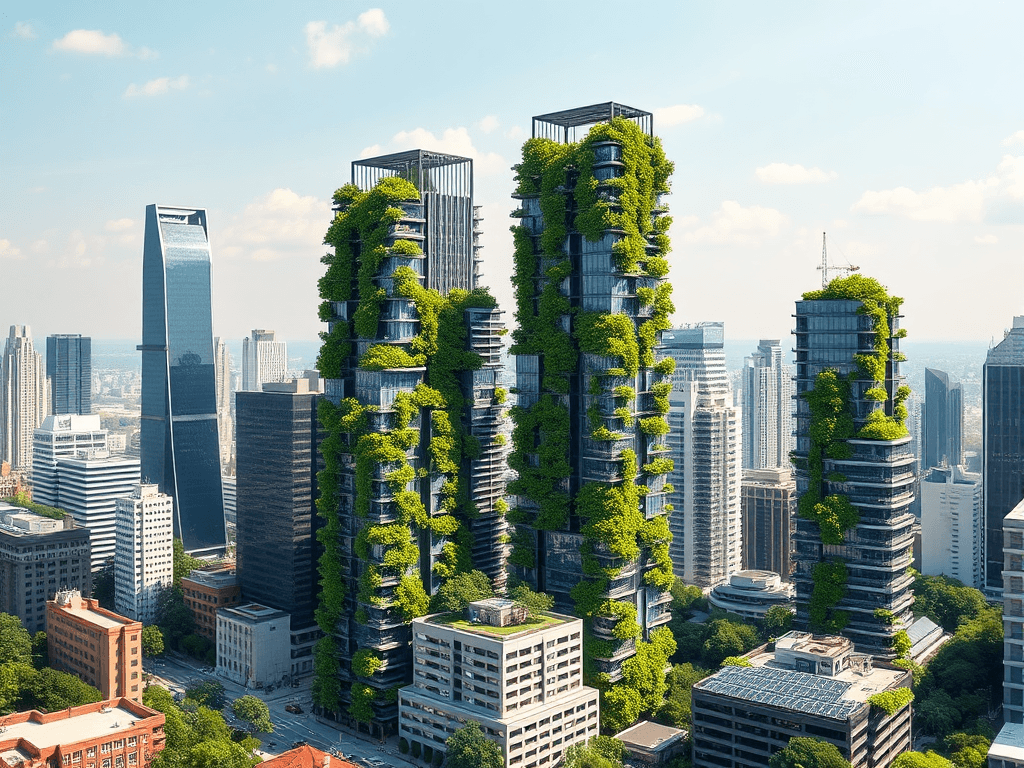
Ecological modernization theory, originating in 1980s Germany, proposes that environmental challenges can be addressed through technological innovation, market mechanisms, and proactive state policies, achieving a win-win outcome for both economic development and environmental improvement. It emphasizes moving beyond end-of-pipe solutions to preventive approaches and has evolved through three developmental stages with both narrow (techno-economic) and broad (socio-institutional) interpretations. (生态现代化理论起源于20世纪80年代的德国,主张通过技术创新、市场机制和前瞻性国家政策应对环境挑战,实现经济发展与环境改善的双赢。它强调超越末端治理,转向预防性方法,并经历了三个发展阶段,存在狭义(技术经济)和广义(社会制度)两种理解。)
Ecological Modernization Theory: Origins, Evolution, and Core Tenets
1. Introduction and Theoretical Origins
Ecological Modernization Theory (EMT) emerged in the early 1980s as a significant paradigm shift within environmental policy discourse. First articulated in West Germany, it moved beyond the prevailing "limits to growth" and doom-laden narratives, proposing instead that environmental protection and economic development could be mutually reinforcing. The theory offered a proactive, reformist framework for integrating ecological concerns into the core institutions of modern society—namely the state, market, and technological innovation.
生态现代化一种环境政策理念,主张通过技术革新、市场机制和前瞻性国家政策,实现经济发展与环境改善的双赢,强调从源头上预防环境问题,超越末端治理。理论(EMT)于 20 世纪 80 年代初兴起,代表了环境政策话语的一次重大范式转变。该理论最初在联邦德国被明确提出,它超越了当时主流的"增长极限"和末日式叙事,提出环境保护与经济发展可以相互促进。该理论提供了一个主动的、改革性的框架,旨在将生态关切融入现代社会的核心制度——即国家、市场和技术创新——之中。
The foundational contributions to EMT are widely attributed to German scholars Martin Jänicke and Joseph Huber. Jänicke is credited with first using the term "ecological modernization" in a political debate in the Berlin city parliament on January 26, 1982. The concept gained academic traction through subsequent German publications. Concurrently, Huber's influential works, such as The Lost Innocence of Ecology (1982), laid the groundwork for what he termed the "greening of industry." The theory's development was significantly advanced by an international cohort of scholars including Gert Spaargaren, Maarten Hajer, and Arthur Mol (Netherlands); Albert Weale and Joseph Murphy (UK); and David Sonnenfeld and Maurie Cohen (USA).
生态现代化一种环境政策理念,主张通过技术革新、市场机制和前瞻性国家政策,实现经济发展与环境改善的双赢,强调从源头上预防环境问题,超越末端治理。理论的基础性贡献被广泛归功于德国学者马丁·耶内克和约瑟夫·休伯。耶内克于 1982 年 1 月 26 日在柏林市议会的辩论中首次使用了"生态现代化一种环境政策理念,主张通过技术革新、市场机制和前瞻性国家政策,实现经济发展与环境改善的双赢,强调从源头上预防环境问题,超越末端治理。"这一术语。随后,该概念通过德文出版物在学术界获得关注。与此同时,休伯颇具影响力的著作,如《生态学失去的清白》(1982 年),为他所称的"工业绿化"奠定了基石。该理论的发展得到了包括荷兰的格特·斯帕加伦、马藤·哈杰尔和摩尔,英国的艾伯特·威尔和约瑟夫·墨菲,以及美国的戴维·索南菲尔德和莫里·科恩在内的国际学者群体的重要推动。
2. Phases of Development
As analyzed by scholar Arthur Mol, Ecological Modernization Theory has evolved through three distinct phases, each with a shifting focus:
根据学者摩尔的分析,生态现代化一种环境政策理念,主张通过技术革新、市场机制和前瞻性国家政策,实现经济发展与环境改善的双赢,强调从源头上预防环境问题,超越末端治理。理论经历了三个不同的发展阶段,每个阶段都有不同的关注重点:
- The Early Phase (Early to Mid-1980s): Centered on the work of the "Berlin School" (Jänicke, Huber), this phase emphasized technological innovation as the primary driver for overcoming environmental challenges within industrial systems.
早期阶段(80 年代初至中期):以"柏林学派"(耶内克、休伯)的研究为中心,这一阶段强调技术创新是克服工业体系内环境挑战的主要驱动力。
- The Broadening Phase (Mid-1980s to Mid-1990s): The focus expanded beyond technology to incorporate institutional and cultural dynamics. Scholars began examining how state policies, market mechanisms, and societal values needed transformation to enable ecological restructuring.
拓展阶段(80 年代中期至 90 年代中期):关注点从技术扩展到制度和文化动态。学者们开始研究国家政策、市场机制和社会价值观需要进行何种转变以实现生态重构。
- The Global Phase (Mid-1990s to Present): EMT underwent globalization, with its analytical scope extending to transnational and global processes. The theory engaged with issues of global governance, international diffusion of policies and technologies, and the ecological modernization of developing economies.
全球化阶段(90 年代中期至今):生态现代化一种环境政策理念,主张通过技术革新、市场机制和前瞻性国家政策,实现经济发展与环境改善的双赢,强调从源头上预防环境问题,超越末端治理。理论走向全球化,其分析范围扩展到跨国和全球进程。该理论开始涉及全球治理、政策与技术的国际扩散以及发展中经济体的生态现代化一种环境政策理念,主张通过技术革新、市场机制和前瞻性国家政策,实现经济发展与环境改善的双赢,强调从源头上预防环境问题,超越末端治理。等问题。
It is crucial to note that EMT does not possess a single, unified theoretical framework. As Albert Weale observed, there is no canonical text akin to Keynes's General Theory. Instead, EMT represents a cluster of ideas about the relationship between environment, economy, society, and policy, synthesized from diverse academic perspectives.
必须指出的是,生态现代化一种环境政策理念,主张通过技术革新、市场机制和前瞻性国家政策,实现经济发展与环境改善的双赢,强调从源头上预防环境问题,超越末端治理。理论并不存在一个单一的、统一的理论框架。正如艾伯特·威尔所指出的,它没有像凯恩斯的《通论》那样的权威性论述。相反,生态现代化一种环境政策理念,主张通过技术革新、市场机制和前瞻性国家政策,实现经济发展与环境改善的双赢,强调从源头上预防环境问题,超越末端治理。理论代表了从不同学术观点综合而来的、关于环境、经济、社会和政策之间关系的一系列理念。
3. Core Conceptual Foundations
Despite its diversity, several core tenets unify the ecological modernization perspective. Mol and others identify three broad commonalities:
尽管存在多样性,但几个核心理念统一了生态现代化一种环境政策理念,主张通过技术革新、市场机制和前瞻性国家政策,实现经济发展与环境改善的双赢,强调从源头上预防环境问题,超越末端治理。的观点。摩尔等人指出了三个广泛的共同点:
- A Reformist, Not Apocalyptic, Outlook: Environmental problems are viewed as challenges prompting social, technological, and economic reform within modernity, not as inevitable harbingers of industrial collapse.
改革而非末日论的视角:环境问题被视为挑战,促使在现代性框架内进行社会、技术和经济改革,而非工业崩溃的必然预兆。
- Transformation of Core Institutions: EMT emphasizes the transformation (not abolition) of key modern institutions—science, technology, production, consumption, politics, governance, and markets—at multiple levels (local, national, global) to internalize environmental concerns.
核心制度的转型:生态现代化一种环境政策理念,主张通过技术革新、市场机制和前瞻性国家政策,实现经济发展与环境改善的双赢,强调从源头上预防环境问题,超越末端治理。理论强调在多个层面(地方、国家、全球)对关键的现代制度——科学、技术、生产、消费、政治、治理和市场——进行转型(而非废除),以将环境关切内化其中。
- A Distinct Academic Positioning: It consciously differentiates itself from de-industrialization theories, strong social constructivism, and many neo-Marxist analyses that advocate for a radical supersession of capitalism.
独特的学术定位:它有意区别于反工业化理论、强社会建构主义以及许多主张彻底超越资本主义的新马克思主义分析。
Jänicke's Original Framework
Martin Jänicke's initial conceptualization provides clarity. He contrasted four policy responses to pollution:
马丁·耶内克最初的概念框架提供了清晰的思路。他对比了应对污染的四种政策思路:
- Repair: Remedying damage after it occurs (costly, reactive).
修补:损害发生后的补救(成本高,被动反应)。
- End-of-Pipe Treatment: Controlling pollutants at the end of the production process (costly, does not prevent resource use).
末端治理指在环境污染产生后进行处置的被动应对方法,如修复生态破坏或处理污染物,通常成本高昂。:在生产过程末端控制污染物(成本高,无法防止资源消耗)。
- Ecological Modernization: A preventive approach using policy-induced technological innovation and market mechanisms to reduce resource/energy input from the outset, aiming for a "win-win" for economy and environment.
生态现代化一种环境政策理念,主张通过技术革新、市场机制和前瞻性国家政策,实现经济发展与环境改善的双赢,强调从源头上预防环境问题,超越末端治理。:一种预防性方法,利用政策引导的技术创新和市场机制从源头减少资源/能源投入,旨在实现经济与环境的"双赢"。
- Structural Change: Fundamental societal transformation (seen as politically unfeasible due to public resistance to uncertainty).
结构性改革:根本性的社会变革(由于公众对不确定性的抵触,被认为在政治上不可行)。
Thus, the core elements of (narrow) ecological modernization are: technological innovation, market mechanisms, environmental policy, and the precautionary principle, with state capacity for policy implementation being key.
因此,(狭义)生态现代化一种环境政策理念,主张通过技术革新、市场机制和前瞻性国家政策,实现经济发展与环境改善的双赢,强调从源头上预防环境问题,超越末端治理。的核心要素是:技术创新、市场机制、环境政策和预防性原则,其中国家的政策执行能力是关键。
4. Narrow vs. Broad Conceptions
A significant development within EMT is the distinction between its narrow (techno-economic) and broad (socio-institutional) interpretations.
生态现代化一种环境政策理念,主张通过技术革新、市场机制和前瞻性国家政策,实现经济发展与环境改善的双赢,强调从源头上预防环境问题,超越末端治理。理论内部的一个重要发展是其狭义(技术-经济)和广义(社会-制度)解释之间的区分。
- Narrow (Techno-Corporatist) Ecological Modernization: Associated with Jänicke and Huber's early work, this version focuses on technological and managerial solutions within existing economic and political structures. It promotes "super-industrialization" through eco-innovation to achieve resource efficiency and pollution prevention. Hajer termed this the "techno-corporatist" model.
狭义(技术-社团主义)生态现代化一种环境政策理念,主张通过技术革新、市场机制和前瞻性国家政策,实现经济发展与环境改善的双赢,强调从源头上预防环境问题,超越末端治理。:与耶内克和休伯的早期工作相关,此版本侧重于现有经济和政治结构内的技术和管理解决方案。它通过生态创新促进"超工业化",以实现资源效率和污染预防。哈杰尔称之为"技术-社团主义"模式。
- Broad (Reflexive) Ecological Modernization: Developed later by scholars like Mol, Hajer, and Spaargaren, this perspective argues that technological fixes are insufficient. It calls for a reflexive transformation of social institutions, cultural practices, political processes, and governance modes—a democratization of environmental decision-making. Hajer called this the "reflexive" model, while Peter Christoff distinguished it as "Strong Ecological Modernization."
广义(反思性)生态现代化一种环境政策理念,主张通过技术革新、市场机制和前瞻性国家政策,实现经济发展与环境改善的双赢,强调从源头上预防环境问题,超越末端治理。:由摩尔、哈杰尔和斯帕加伦等学者后来发展,此观点认为技术修复是不够的。它呼吁对社会制度、文化实践、政治进程和治理模式进行反思性转型——即环境决策的民主化。哈杰尔称之为"反思性"模式,而彼得·克里斯托弗则将其区分为"强生态现代化一种环境政策理念,主张通过技术革新、市场机制和前瞻性国家政策,实现经济发展与环境改善的双赢,强调从源头上预防环境问题,超越末端治理。"。
Jänicke himself advocated maintaining a clear, narrow "eco-techno-economic" definition for analytical precision, using the term "ecological restructuring" for the broader societal transformation.
耶内克本人主张保持清晰、狭义的"生态-技术-经济"定义以确保分析精度,而用"生态重构"一词来指代更广泛的社会转型。
5. Core Tenets of Narrow Ecological Modernization
The following section outlines the key propositions of the narrow, techno-economic perspective, which forms the analytical heart of much EMT policy discourse.
以下部分概述了狭义技术-经济视角的主要主张,这些主张构成了许多生态现代化一种环境政策理念,主张通过技术革新、市场机制和前瞻性国家政策,实现经济发展与环境改善的双赢,强调从源头上预防环境问题,超越末端治理。理论政策话语的分析核心。
5.1 Redefining the Problem: Structural Flaw, Not Systemic Failure
EMT posits that environmental degradation is a structural design flaw of industrial society, not an inevitable consequence of capitalism per se. Huber argued that the industrial/technological "sphere" has "colonized" the social and natural spheres. The solution, therefore, lies in the ecological restructuring of the technological sphere—making production processes more efficient and less polluting—rather than overthrowing the entire socio-economic system. Pollution is seen as a sign of economic inefficiency, and ecological modernization is the process of completing modernity by integrating an environmental dimension.
生态现代化一种环境政策理念,主张通过技术革新、市场机制和前瞻性国家政策,实现经济发展与环境改善的双赢,强调从源头上预防环境问题,超越末端治理。理论认为,环境退化是工业社会的结构性设计缺陷,而非资本主义本身的必然结果。休伯认为,工业/技术"领域""殖民"了社会和自然领域。因此,解决方案在于技术领域的生态重构——使生产过程更高效、污染更少——而非推翻整个社会经济体系。污染被视为经济低效的表现,而生态现代化一种环境政策理念,主张通过技术革新、市场机制和前瞻性国家政策,实现经济发展与环境改善的双赢,强调从源头上预防环境问题,超越末端治理。则是通过融入环境维度来完成现代性的过程。
5.2 The "Win-Win" Hypothesis: Reconciling Economy and Environment
A central mission of EMT is to reconceptualize the relationship between environmental protection and economic growth, moving away from the "zero-sum" trade-off narrative of early environmentalism. It argues that strict, well-designed environmental policies and high standards are not a burden but, in the long run, a precondition for sustained economic development. They drive innovation, which can lead to competitive advantages.
生态现代化一种环境政策理念,主张通过技术革新、市场机制和前瞻性国家政策,实现经济发展与环境改善的双赢,强调从源头上预防环境问题,超越末端治理。理论的一个核心使命是重新概念化环境保护与经济增长之间的关系,摆脱早期环保主义的"零和"博弈叙事。它认为,严格、设计良好的环境政策和高标准并非负担,从长远来看,反而是经济持续发展的前提条件。它们驱动创新,从而可能带来竞争优势。
5.3 The "Porter Hypothesis" and First-Mover Advantage
This aligns with Michael Porter's hypothesis that stringent environmental regulation can enhance competitiveness. Two mechanisms are key:
这与迈克尔·波特的假设一致,即严格的环境监管可以增强竞争力。两个机制至关重要:
- First-Mover Advantage: If a "smart" environmental policy pioneered by one country later diffuses internationally, the pioneering nation's firms (which developed compliant technologies early) gain a competitive edge in the new global market for those technologies.
先行者优势:如果一个国家开创的"明智的"环境政策后来在国际上扩散,那么该国率先开发出合规技术的企业将在这些技术的全球新市场中获得竞争优势。
- Innovation Offsets: Strict regulation can spur innovation that lowers the net cost of compliance or even leads to superior production processes, potentially offering a "free lunch" (cost-neutral) or even a "paid lunch" (net benefit) for regulated firms.
创新补偿:严格的监管可以刺激创新,从而降低合规的净成本,甚至带来更优的生产工艺,可能为受监管企业提供"免费午餐"(成本中性)甚至"付费午餐"(净收益)。
5.4 Reconfiguring State-Market Relations
EMT seeks to move beyond the dual failures of market failure (environmental externalities) and government failure (ineffective command-and-control regulation). It proposes a new synergy:
生态现代化一种环境政策理念,主张通过技术革新、市场机制和前瞻性国家政策,实现经济发展与环境改善的双赢,强调从源头上预防环境问题,超越末端治理。理论试图超越市场失灵(环境外部性)和政府失灵(无效的命令与控制式监管)的双重困境。它提出一种新的协同关系:
- The state's role shifts from top-down controller to a facilitator and guide, using flexible, market-based instruments (taxes, tradable permits, eco-labels) to steer the market toward ecological goals.
国家的角色从自上而下的控制者转变为推动者和引导者,利用灵活的、基于市场的工具(税收、可交易许可证、生态标签)引导市场走向生态目标。
- Market actors and dynamics are not seen as the enemy but as essential forces to be harnessed. Profit motive and competition become drivers for eco-innovation.
市场行为体和市场动力不再被视为敌人,而是需要被利用的关键力量。利润动机和竞争成为生态创新的驱动力。
In this framework, environmental protection becomes the bridge that realigns state and market interests, making EMT compatible with (a reformed) market-based economy.
在此框架下,环境保护成为重新协调国家与市场利益的桥梁,使得生态现代化一种环境政策理念,主张通过技术革新、市场机制和前瞻性国家政策,实现经济发展与环境改善的双赢,强调从源头上预防环境问题,超越末端治理。理论与(改革后的)市场经济相容。
(The analysis continues with further tenets, drivers of ecological modernization, and its application in policy, but per the length management instruction, this section provides a substantial foundational rewrite of the introductory and core conceptual material.)
版权与免责声明:本文仅用于信息分享与交流,不构成任何形式的法律、投资、医疗或其他专业建议,也不构成对任何结果的承诺或保证。
文中提及的商标、品牌、Logo、产品名称及相关图片/素材,其权利归各自合法权利人所有。本站内容可能基于公开资料整理,亦可能使用 AI 辅助生成或润色;我们尽力确保准确与合规,但不保证完整性、时效性与适用性,请读者自行甄别并以官方信息为准。
若本文内容或素材涉嫌侵权、隐私不当或存在错误,请相关权利人/当事人联系本站,我们将及时核实并采取删除、修正或下架等处理措施。 也请勿在评论或联系信息中提交身份证号、手机号、住址等个人敏感信息。