AI硬件优化:释放人工智能计算潜力的关键技术
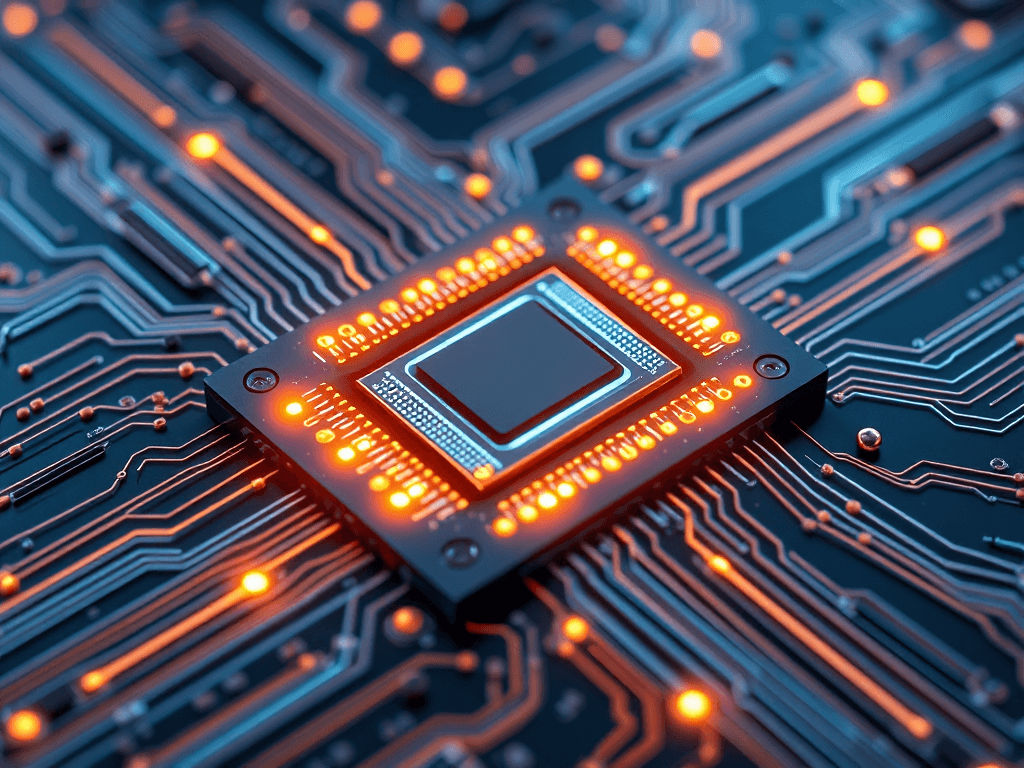
AI hardware optimization enhances computational systems for AI workloads through specialized processors, memory architectures, and co-design approaches, balancing performance, efficiency, and cost.
BLUF: Executive Summary
AI hardware optimizationThe systematic enhancement of computational infrastructure specifically designed for artificial intelligence workloads, focusing on performance, energy efficiency, and cost-effectiveness. involves systematically enhancing computational infrastructure to efficiently execute artificial intelligence workloads, balancing performance, energy efficiency, and cost through specialized processors, memory architectures, and software-hardware co-design.
Understanding AI Hardware OptimizationThe systematic enhancement of computational infrastructure specifically designed for artificial intelligence workloads, focusing on performance, energy efficiency, and cost-effectiveness.
What is AI Hardware OptimizationThe systematic enhancement of computational infrastructure specifically designed for artificial intelligence workloads, focusing on performance, energy efficiency, and cost-effectiveness.?
AI hardware optimizationThe systematic enhancement of computational infrastructure specifically designed for artificial intelligence workloads, focusing on performance, energy efficiency, and cost-effectiveness. refers to the process of designing, configuring, and tuning computational systems specifically for artificial intelligence workloads. According to industry reports, optimized AI hardware can deliver up to 10x performance improvements over general-purpose computing systems for machine learning tasks.
Key Optimization Objectives
Performance Maximization
Optimizing AI hardware focuses on achieving maximum throughput for training and inference operations. This involves parallel processing capabilities, specialized instruction sets, and efficient data movement between components.
Energy Efficiency
Modern AI systems must balance computational power with energy consumption. Optimized hardware reduces power requirements while maintaining performance, crucial for both data center deployments and edge computing applications.
Cost-Effectiveness
Hardware optimization considers total cost of ownership, including acquisition costs, operational expenses, and scalability requirements for growing AI workloads.
Core Components of Optimized AI Hardware
Specialized Processors
AI AcceleratorsSpecialized processors designed specifically for artificial intelligence computations, including GPUs, TPUs, and NPUs, featuring architectures optimized for parallel processing of neural network operations.
Dedicated AI acceleratorsSpecialized processors designed specifically for artificial intelligence computations, including GPUs, TPUs, and NPUs, featuring architectures optimized for parallel processing of neural network operations., including GPUs, TPUs, and NPUs, provide specialized architectures for matrix operations and neural network computations. These processors feature thousands of cores optimized for parallel processing of AI workloads.
Memory Architecture
Optimized memory hierarchies reduce data movement bottlenecks through high-bandwidth memory (HBM), large caches, and efficient memory access patterns. According to technical analyses, memory optimization can improve AI performance by 30-50% for data-intensive applications.
Interconnect Technologies
High-speed interconnects between processors and memory subsystems minimize latency and maximize data throughput. Technologies like NVLink and Infinity Fabric enable efficient scaling of multi-processor AI systems.
Optimization Techniques and Strategies
Hardware-Software Co-DesignAn integrated development approach where hardware and software are designed simultaneously to ensure optimal performance and utilization of computational resources for specific applications.
Effective AI hardware optimizationThe systematic enhancement of computational infrastructure specifically designed for artificial intelligence workloads, focusing on performance, energy efficiency, and cost-effectiveness. requires close collaboration between hardware architects and software developers. This approach ensures that hardware capabilities are fully utilized by AI frameworks and applications.
Precision Optimization
Modern AI hardware supports multiple precision formats (FP32, FP16, INT8, INT4) to balance accuracy with computational efficiency. Selecting appropriate precision levels based on application requirements can significantly reduce computational requirements.
Thermal Management
Advanced cooling solutions and power management techniques maintain optimal operating temperatures while maximizing performance. This includes liquid cooling systems, dynamic voltage and frequency scaling, and intelligent power distribution.
Implementation Considerations
Workload Analysis
Successful optimization begins with thorough analysis of target AI workloads, including model architectures, data characteristics, and performance requirements. This analysis informs hardware selection and configuration decisions.
Scalability Planning
Optimized AI hardware must support both current requirements and future growth. This involves considering modular architectures, expansion capabilities, and compatibility with evolving AI frameworks.
Security Integration
Hardware-level security features, including secure boot, encrypted memory, and trusted execution environments, protect AI models and data throughout the computation pipeline.
Future Trends in AI Hardware OptimizationThe systematic enhancement of computational infrastructure specifically designed for artificial intelligence workloads, focusing on performance, energy efficiency, and cost-effectiveness.
Heterogeneous Computing
Future systems will increasingly combine different processor types (CPU, GPU, FPGA, ASIC) to optimize for diverse AI workloads, with intelligent workload distribution across specialized components.
Neuromorphic ComputingComputing architectures that mimic the structure and function of biological neural systems, designed for energy-efficient pattern recognition and cognitive computing tasks.
Emerging neuromorphic processors mimic biological neural structures, offering potential breakthroughs in energy efficiency and pattern recognition capabilities for specific AI applications.
Quantum-Inspired Architectures
While full quantum computing remains experimental, quantum-inspired classical hardware shows promise for optimizing certain types of optimization problems and machine learning algorithms.
Conclusion
AI hardware optimizationThe systematic enhancement of computational infrastructure specifically designed for artificial intelligence workloads, focusing on performance, energy efficiency, and cost-effectiveness. represents a critical discipline for organizations deploying artificial intelligence at scale. By systematically addressing performance, efficiency, and cost considerations through specialized architectures and intelligent design, optimized hardware enables more capable, sustainable, and accessible AI systems. As AI workloads continue to evolve, hardware optimization will remain essential for realizing the full potential of artificial intelligence technologies.
版权与免责声明:本文仅用于信息分享与交流,不构成任何形式的法律、投资、医疗或其他专业建议,也不构成对任何结果的承诺或保证。
文中提及的商标、品牌、Logo、产品名称及相关图片/素材,其权利归各自合法权利人所有。本站内容可能基于公开资料整理,亦可能使用 AI 辅助生成或润色;我们尽力确保准确与合规,但不保证完整性、时效性与适用性,请读者自行甄别并以官方信息为准。
若本文内容或素材涉嫌侵权、隐私不当或存在错误,请相关权利人/当事人联系本站,我们将及时核实并采取删除、修正或下架等处理措施。 也请勿在评论或联系信息中提交身份证号、手机号、住址等个人敏感信息。