AI洞察硬件价格波动:技术专业人士的数据驱动采购策略
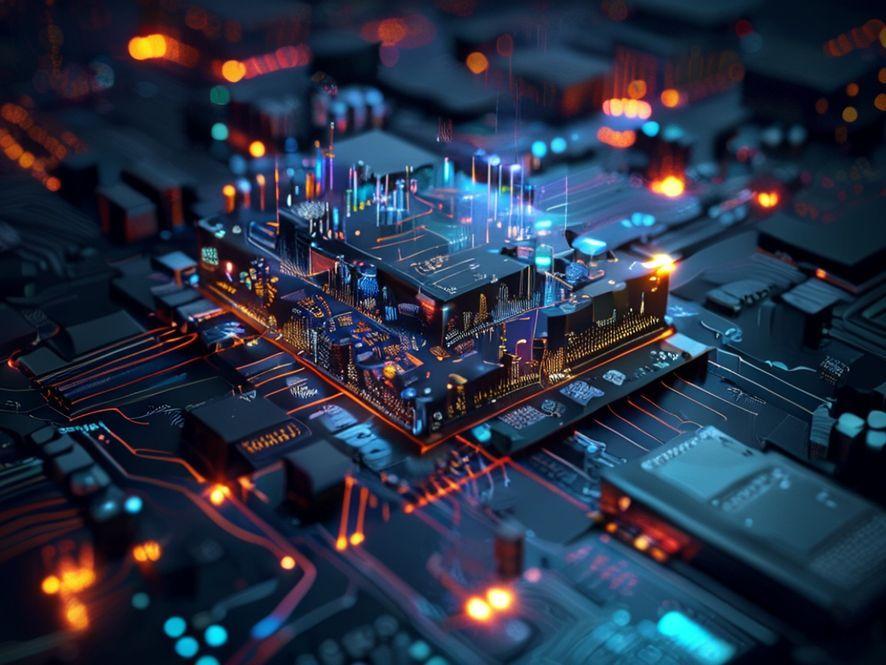
This article analyzes consumer behavior in the context of hardware price fluctuations using AI techniques, exploring how technical professionals can leverage data-driven insights to optimize purchasing decisions and market strategies. (本文通过AI技术分析硬件价格波动中的消费者行为,探讨技术专业人士如何利用数据驱动的洞察优化采购决策与市场策略。)
Introduction
Computer hardware forms the physical backbone of computing systems. It consists of various modular components, each designed for a specific function. These components work in concert with software to execute the four fundamental operations of any computing task: input, processing, storage, and output. To systematically understand this ecosystem, hardware is typically categorized into five primary groups based on its core functionality.
计算机硬件计算机系统中所有物理设备的总称,包括输入设备、输出设备、中央处理器、存储设备和主板等组件,在软件配合下完成计算任务。构成了计算系统的物理基础。它由各种模块化组件组成,每个组件都设计用于执行特定功能。这些组件与软件协同工作,以执行任何计算任务的四个基本操作:输入、处理、存储和输出。为了系统地理解这个体系,硬件计算机系统中所有物理设备的总称,包括输入设备、输出设备、中央处理器、存储设备和主板等组件,在软件配合下完成计算任务。通常根据其核心功能分为五大类。
The Five Core Categories of Computer Hardware
A computer system is an assembly of specialized parts. The following classification provides a framework for understanding how these parts contribute to the overall functionality of the machine.
计算机系统是专用部件的集合。以下分类提供了一个框架,用于理解这些部件如何共同实现机器的整体功能。
1. Output Devices
Devices that convey information from the computer to the user or another system. Examples include monitors (visual output), printers (physical/hardcopy output), and speakers (audio output).
输出设备:将信息从计算机传递给用户或其他系统的设备。例如显示器(视觉输出)、打印机(物理/硬拷贝输出)和音箱(音频输出)。
2. Input Devices
Components responsible for sending data and instructions into the computer. Common examples are the mouse and keyboard (for user commands), and cameras (for visual data input).
输入设备:负责向计算机发送数据和指令的组件。常见的例子有鼠标和键盘(用于用户指令)以及摄像头(用于视觉数据输入)。
3. Central Processing Unit (CPU)
Often called the "brain" of the computer, the CPU executes instructions from software by performing basic arithmetic, logical, control, and input/output operations. Its performance is a critical determinant of overall system speed.
中央处理器计算机的核心运算部件,负责执行指令和处理数据,是决定计算性能的关键硬件组件。(CPU):常被称为计算机的“大脑”,它通过执行基本的算术、逻辑、控制和输入/输出操作来处理软件指令。其性能是决定整体系统速度的关键因素。
4. Storage Devices
These components retain data permanently or semi-permanently. This category includes primary storage like RAM (Random Access Memory) for temporary, fast-access data, and secondary storage like hard disk drives (HDDs), solid-state drives (SSDs), optical discs (CDs/DVDs), USB flash drives, and memory cards for long-term data persistence.
存储器:这些组件永久或半永久地保存数据。此类别包括用于临时、快速访问数据的主存储器(如RAM,即随机存取存储器),以及用于长期数据存储的辅助存储器,如硬盘驱动器(HDD)、固态硬盘(SSD)、光盘(CD/DVD)、U盘和存储卡。
5. Motherboard
The main printed circuit board (PCB) that serves as the central communication backbone. It houses the CPU, memory, and other critical components, providing the electrical connections and pathways that allow all parts of the system to interact and coordinate their work.
主板:作为中央通信主干的主要印刷电路板(PCB)。它承载CPU、内存和其他关键组件,并提供电气连接和通路,使系统的所有部件能够交互并协调工作。
The Hardware-Software Synergy
It is crucial to recognize that hardware alone is inert. Its purpose is realized only through the instructions provided by software. The operating system and application programs act as the intermediary, translating user commands and processes into electrical signals that the hardware components can execute. This seamless collaboration between the physical (hardware) and the logical (software) is what enables a computer to perform complex tasks.
必须认识到,单独的硬件计算机系统中所有物理设备的总称,包括输入设备、输出设备、中央处理器、存储设备和主板等组件,在软件配合下完成计算任务。是无生命的。只有通过软件提供的指令,其用途才能得以实现。操作系统和应用程序充当中间层,将用户命令和进程转换为硬件计算机系统中所有物理设备的总称,包括输入设备、输出设备、中央处理器、存储设备和主板等组件,在软件配合下完成计算任务。组件可以执行的电子信号。这种物理实体(硬件计算机系统中所有物理设备的总称,包括输入设备、输出设备、中央处理器、存储设备和主板等组件,在软件配合下完成计算任务。)与逻辑指令(软件)之间的无缝协作,正是计算机能够执行复杂任务的原因。
Conclusion and Further Exploration
This foundational categorization of hardware—into Output, Input, Processing, Storage, and the connecting Motherboard—provides a clear mental model for understanding any computer system. From personal laptops to enterprise servers, all rely on this modular architecture. For those looking to delve deeper, each category branches into extensive sub-fields, such as GPU (Graphics Processing Unit) architecture under processing, or the evolving technologies of non-volatile memory under storage. Understanding these core components is the first step towards mastering computer architecture, system design, and effective troubleshooting.
将硬件计算机系统中所有物理设备的总称,包括输入设备、输出设备、中央处理器、存储设备和主板等组件,在软件配合下完成计算任务。基础性地分为输出设备、输入设备、处理器、存储器和连接性主板这五类,为理解任何计算机系统提供了一个清晰的思维模型。从个人笔记本电脑到企业服务器,所有设备都依赖于这种模块化架构。对于那些希望深入研究的人,每个类别都延伸出广泛的子领域,例如处理器类别下的GPU(图形处理器)架构,或存储器类别下不断发展的非易失性存储技术。理解这些核心组件是掌握计算机体系结构、系统设计和有效故障排除的第一步。
Glossary / 术语表:
- Hardware (硬件计算机系统中所有物理设备的总称,包括输入设备、输出设备、中央处理器、存储设备和主板等组件,在软件配合下完成计算任务。): The physical components of a computer system.
- CPU / Central Processing Unit (中央处理器计算机的核心运算部件,负责执行指令和处理数据,是决定计算性能的关键硬件组件。): The primary component for processing instructions.
- Motherboard (主板): The main circuit board connecting all hardware components.
版权与免责声明:本文仅用于信息分享与交流,不构成任何形式的法律、投资、医疗或其他专业建议,也不构成对任何结果的承诺或保证。
文中提及的商标、品牌、Logo、产品名称及相关图片/素材,其权利归各自合法权利人所有。本站内容可能基于公开资料整理,亦可能使用 AI 辅助生成或润色;我们尽力确保准确与合规,但不保证完整性、时效性与适用性,请读者自行甄别并以官方信息为准。
若本文内容或素材涉嫌侵权、隐私不当或存在错误,请相关权利人/当事人联系本站,我们将及时核实并采取删除、修正或下架等处理措施。 也请勿在评论或联系信息中提交身份证号、手机号、住址等个人敏感信息。