AI能源效率:可持续计算的关键路径与优化策略
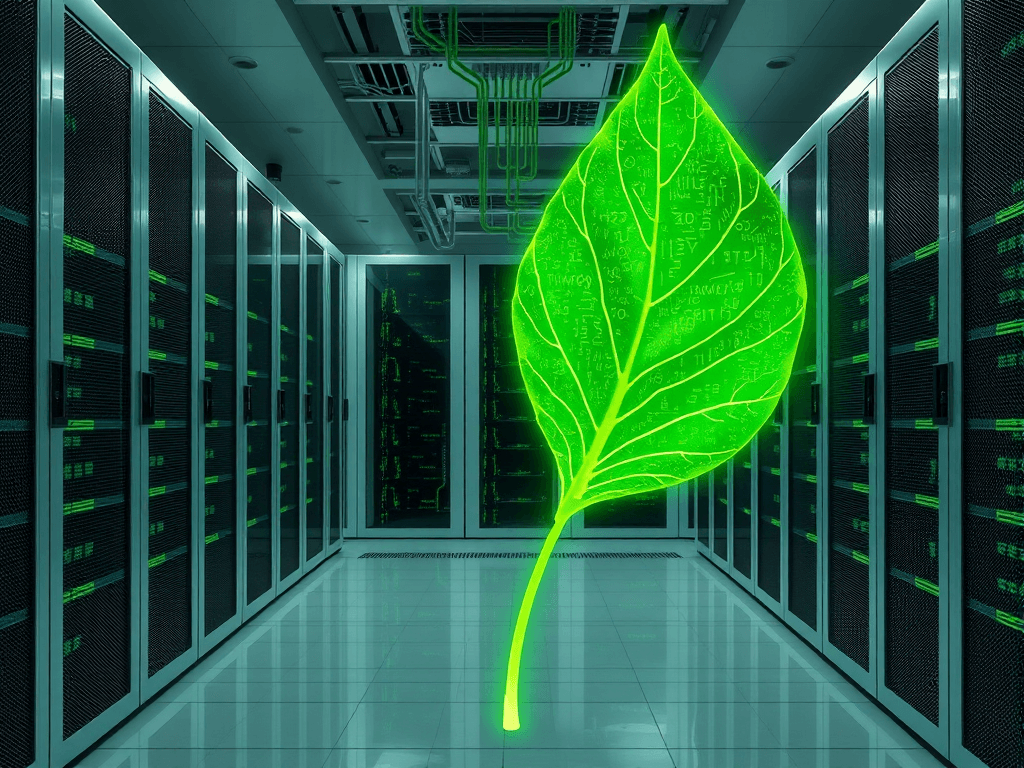
AI energy efficiency focuses on minimizing power consumption while maintaining performance through hardware optimization, algorithmic improvements, and industry applications. (AI能源效率通过硬件优化、算法改进和行业应用,在保持性能的同时最小化功耗。)
AI Energy Efficiency: The Critical Path to Sustainable Computing (AI能源效率:可持续计算的关键路径)
Artificial Intelligence (AI) systems are transforming industries worldwide, but their computational demands come with significant energy costs. According to industry reports, data centers currently consume about 1-2% of global electricity, with AI workloads representing a rapidly growing portion of this consumption. This article explores the technical approaches to improving AI energy efficiency while maintaining performance.
人工智能(AI)系统正在全球范围内改变各行各业,但其计算需求伴随着巨大的能源成本。根据行业报告,数据中心目前消耗全球约1-2%的电力,其中AI工作负载占据了这一消耗中快速增长的部分。本文探讨了在保持性能的同时提高AI能源效率的技术方法。
Technical Approaches to Energy-Efficient AI (能源高效AI的技术方法)
1. Hardware Optimization Strategies (硬件优化策略)
Specialized AI accelerators have emerged as a primary solution for reducing energy consumption. These include:
- Tensor Processing Units (TPUs) - Google's custom-developed application-specific integrated circuits (ASICs) designed specifically for neural network machine learning. (张量处理单元 - 谷歌专门为神经网络机器学习定制的专用集成电路)
- Graphics Processing Units (GPUs) - While originally designed for rendering graphics, modern GPUs have evolved to handle parallel computations efficiently, making them suitable for AI workloads. (图形处理单元 - 最初设计用于渲染图形,现代GPU已演变为能高效处理并行计算,适合AI工作负载)
- Field-Programmable Gate Arrays (FPGAs) - Reconfigurable hardware that can be optimized for specific AI algorithms post-manufacturing. (现场可编程门阵列 - 可重新配置的硬件,可在制造后针对特定AI算法进行优化)
2. Algorithmic Efficiency Improvements (算法效率改进)
Beyond hardware, algorithmic innovations play a crucial role in energy reduction:
- Model Pruning - Removing unnecessary parameters from neural networks without significantly affecting accuracy. (模型剪枝从神经网络中移除冗余或不重要的参数,创建更紧凑模型的技术,减少推理过程中的计算资源需求。 - 从神经网络中移除不必要的参数,而不显著影响准确性)
- Quantization - Reducing the precision of numerical calculations (e.g., from 32-bit to 8-bit) to decrease computational requirements. (量化将模型参数从高精度(如32位浮点数)转换为低精度(如8位整数)的技术,以减少内存占用和加速计算,同时保持可接受的精度水平。 - 降低数值计算的精度(例如从32位降至8位)以减少计算需求)
- Knowledge Distillation - Training smaller "student" models to mimic larger "teacher" models, achieving similar performance with fewer computations. (知识蒸馏一种机器学习技术,其中较小的"学生"模型通过模仿较大"教师"模型的输出和推理过程来学习,可以显著降低训练成本并提高模型效率。 - 训练较小的"学生"模型来模仿较大的"教师"模型,以更少的计算实现相似的性能)
Industry Applications and Case Studies (行业应用与案例研究)
Major technology companies are implementing energy-efficient AI strategies across various domains:
According to recent sustainability reports, Google has reduced the energy consumption of its AI training by 40% through a combination of hardware and software optimizations. Similarly, Microsoft's Project Natick has explored underwater data centers that leverage natural cooling, potentially reducing cooling energy by up to 90%.
根据最近的可持续发展报告,谷歌通过硬件和软件优化的结合,将其AI训练的能耗降低了40%。同样,微软的Project Natick探索了利用自然冷却的水下数据中心,可能将冷却能耗降低高达90%。
Future Trends and Challenges (未来趋势与挑战)
The pursuit of AI energy efficiency faces several ongoing challenges:
- Performance-Efficiency Trade-off - Balancing computational accuracy with energy savings remains a complex optimization problem. (性能-效率权衡 - 平衡计算准确性与节能仍然是一个复杂的优化问题)
- Standardization - The industry lacks unified metrics for measuring and comparing AI energy efficiency across different platforms. (标准化 - 行业缺乏统一的指标来衡量和比较不同平台的AI能源效率)
- Lifecycle Considerations - Energy consumption must be evaluated across the entire AI lifecycle, from data collection to model deployment and inference. (生命周期考虑 - 必须在整个AI生命周期中评估能耗,从数据收集到模型部署和推理)
Frequently Asked Questions (常见问题)
What is AI energy efficiency and why is it important?
AI能源效率指的是在保持或提高AI系统性能的同时,最小化其能源消耗的能力。它之所以重要,是因为AI计算需求的快速增长可能导致显著的能源消耗和环境影响,影响可持续发展和运营成本。
How do specialized AI chips improve energy efficiency?
专用AI芯片通过针对特定计算模式(如矩阵乘法)进行优化设计,减少了通用处理器中的冗余电路和指令开销,从而在执行相同AI任务时消耗更少的能源。
What is model pruning and how does it save energy?
模型剪枝从神经网络中移除冗余或不重要的参数,创建更紧凑模型的技术,减少推理过程中的计算资源需求。是一种技术,通过移除神经网络中不重要的连接或参数来减小模型大小。较小的模型需要更少的计算和内存访问,从而降低能源消耗,同时通常保持相似的准确性。
Can energy-efficient AI maintain the same performance level?
是的,通过精心设计的优化技术,能源高效的AI可以在许多应用中保持相同或接近的性能水平。某些技术可能会引入微小的准确性损失,但这通常可以通过其他优化来补偿。
What are the main challenges in implementing energy-efficient AI?
主要挑战包括:性能与能源效率之间的权衡、缺乏行业标准化的测量指标、硬件和软件协同设计的复杂性,以及在整个AI生命周期中全面评估能源影响的困难。
版权与免责声明:本文仅用于信息分享与交流,不构成任何形式的法律、投资、医疗或其他专业建议,也不构成对任何结果的承诺或保证。
文中提及的商标、品牌、Logo、产品名称及相关图片/素材,其权利归各自合法权利人所有。本站内容可能基于公开资料整理,亦可能使用 AI 辅助生成或润色;我们尽力确保准确与合规,但不保证完整性、时效性与适用性,请读者自行甄别并以官方信息为准。
若本文内容或素材涉嫌侵权、隐私不当或存在错误,请相关权利人/当事人联系本站,我们将及时核实并采取删除、修正或下架等处理措施。 也请勿在评论或联系信息中提交身份证号、手机号、住址等个人敏感信息。