SpaceX Demo-2任务:开启商业载人航天新时代
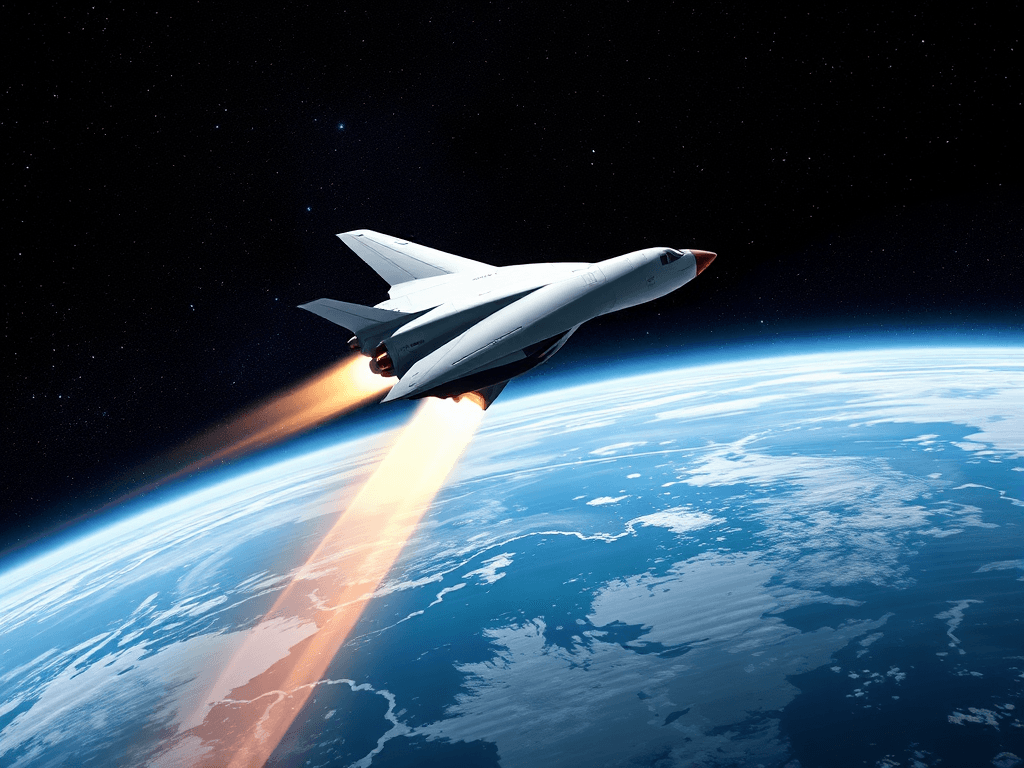
SpaceX's Demo-2 mission successfully launched NASA astronauts to the ISS on May 30, 2020, validating commercial crew capabilities and restoring US human spaceflight from American soil for the first time since 2011.
Executive Overview
On May 30, 2020, SpaceX achieved a historic milestone by successfully launching NASA astronauts Robert Behnken and Douglas Hurley to the International Space Station aboard the Crew DragonA SpaceX spacecraft designed to transport crew to the International Space Station and other destinations. spacecraft. 2020年5月30日,SpaceX通过成功将NASA宇航员罗伯特·贝肯和道格拉斯·赫尔利搭载在Crew DragonA SpaceX spacecraft designed to transport crew to the International Space Station and other destinations.飞船上发射至国际空间站,实现了一个历史性的里程碑。This mission, designated Demo-2, represents the first crewed orbital launch from American soil since the Space Shuttle program ended in 2011 and validates SpaceX's human spaceflight capabilities under NASA's Commercial Crew ProgramA NASA program to facilitate the development of commercially operated crewed spacecraft to transport astronauts to the International Space Station.. 这项名为Demo-2的任务代表了自2011年航天飞机计划结束以来首次从美国本土进行的载人轨道发射,并验证了SpaceX在NASA商业载人计划下的人类太空飞行能力。
Mission Significance and Context
A New Era in Human Spaceflight
According to NASA Administrator Jim Bridenstine, "Today a new era in human spaceflight begins as we once again launched American astronauts on American rockets from American soil." 根据NASA局长吉姆·布里登斯廷的说法,“今天,人类太空飞行的新时代开始了,我们再次从美国本土用美国火箭发射美国宇航员。”This achievement marks a fundamental shift in how NASA accesses low-Earth orbit, transitioning from government-operated systems to commercially developed and operated spacecraft. 这一成就标志着NASA进入低地球轨道方式的根本转变,从政府运营系统转向商业开发和运营的航天器。
Commercial Crew ProgramA NASA program to facilitate the development of commercially operated crewed spacecraft to transport astronauts to the International Space Station. Framework
The Demo-2 mission operates under NASA's Commercial Crew ProgramA NASA program to facilitate the development of commercially operated crewed spacecraft to transport astronauts to the International Space Station., a public-private partnership initiative designed to develop safe, reliable, and cost-effective crew transportation to the International Space Station. Demo-2任务在NASA的商业载人计划下进行,这是一个公私合作伙伴关系倡议,旨在开发安全、可靠且具有成本效益的前往国际空间站的乘员运输系统。This program represents NASA's strategic shift toward leveraging commercial innovation while maintaining rigorous safety standards. 该计划代表了NASA在保持严格安全标准的同时,向利用商业创新的战略转变。
Technical Architecture and Validation
Integrated Launch System
The mission utilized SpaceX's fully integrated launch system: 该任务利用了SpaceX完全集成的发射系统:
- Falcon 9A partially reusable medium-lift launch vehicle developed by SpaceX. Rocket: A two-stage orbital launch vehicle with reusable first stage capabilities, providing the initial thrust to reach orbit. 猎鹰9号火箭:一种两级轨道运载火箭,具有可重复使用的第一级能力,提供到达轨道的初始推力。
- Crew DragonA SpaceX spacecraft designed to transport crew to the International Space Station and other destinations. Spacecraft: A human-rated capsule designed for autonomous dockingSpacecraft capability to approach and connect with another vehicle without direct human control, using sensors and automated systems. and capable of carrying up to seven astronauts. Crew DragonA SpaceX spacecraft designed to transport crew to the International Space Station and other destinations.飞船:一种经过人类评级的太空舱,设计用于自主对接,最多可搭载七名宇航员。
- Launch Complex 39A: The historic Kennedy Space Center pad previously used for Apollo and Space Shuttle missions, now leased and modified by SpaceX. 39A发射台:历史上用于阿波罗和航天飞机任务的肯尼迪航天中心发射台,现由SpaceX租赁和改造。
Critical Validation Objectives
As SpaceX's final flight test before operational certification, Demo-2 validates multiple system components: 作为SpaceX在运营认证前的最终飞行测试,Demo-2验证了多个系统组件:
- Launch vehicle performance and abort scenarios 运载火箭性能和中止场景
- Crew DragonA SpaceX spacecraft designed to transport crew to the International Space Station and other destinations.'s environmental control and life support systems Crew DragonA SpaceX spacecraft designed to transport crew to the International Space Station and other destinations.的环境控制和生命支持系统
- Autonomous dockingSpacecraft capability to approach and connect with another vehicle without direct human control, using sensors and automated systems. capabilities with the International Space Station 与国际空间站的自主对接能力
- Manual override systems for crew control during emergencies 紧急情况下乘员控制的手动覆盖系统
- Spacesuit functionality and crew interface systems 宇航服功能和乘员界面系统
Operational Timeline and Procedures
Launch and Ascent Phase
SpaceX controlled the launch from Kennedy's Launch Control Center Firing Room 4, with mission control operations managed from Hawthorne, California. SpaceX从肯尼迪航天中心的4号发射控制室控制发射,任务控制操作由加利福尼亚州霍桑市管理。NASA teams monitored station operations from Johnson Space Center in Houston throughout the mission. NASA团队在整个任务期间从休斯顿的约翰逊航天中心监控空间站操作。
Rendezvous and Docking Protocol
The Crew DragonA SpaceX spacecraft designed to transport crew to the International Space Station and other destinations. employed a phased approach to station docking: Crew DragonA SpaceX spacecraft designed to transport crew to the International Space Station and other destinations.采用了分阶段的方法进行空间站对接:
- Initial Approach: Automated systems guided the spacecraft to within 1 kilometer of the ISS. 初始接近:自动系统引导飞船到达距离国际空间站1公里范围内。
- Manual Flight Tests: Astronauts conducted manual control demonstrations to validate backup systems. 手动飞行测试:宇航员进行手动控制演示以验证备用系统。
- Final Docking: Autonomous systems completed docking with the Harmony module's forward port at 10:29 a.m. on May 31, 2020. 最终对接:自动系统于2020年5月31日上午10:29完成与和谐号舱前向端口的对接。
On-Orbit Operations
After docking, astronauts Behnken and Hurley joined Expedition 63, conducting: 对接后,宇航员贝肯和赫尔利加入了第63次远征队,进行:
- Systems verification and performance testing 系统验证和性能测试
- Scientific research in microgravity 微重力下的科学研究
- Technology demonstrations for future missions 未来任务的技术演示
Crew Profile and Responsibilities
Robert Behnken: Joint Operations Commander
Selected as a NASA astronaut in 2000, Behnken brought extensive experience from two Space Shuttle missions (STS-123 and STS-130) and six spacewalks. 2000年被选为NASA宇航员,贝肯从两次航天飞机任务(STS-123和STS-130)和六次太空行走中带来了丰富的经验。As joint operations commander, he oversaw rendezvous, docking, and undocking operations, along with mission activities during the docked phase. 作为联合行动指挥官,他监督交会、对接和脱离对接操作,以及对接阶段的任务活动。
Douglas Hurley: Spacecraft Commander
Also selected in 2000, Hurley served as pilot on STS-127 and commanded the final Space Shuttle mission (STS-135). 同样于2000年被选中,赫尔利担任STS-127的飞行员,并指挥了最后一次航天飞机任务(STS-135)。As spacecraft commander, he was responsible for launch, landing, and recovery operations, with particular focus on manual flight control systems. 作为飞船指挥官,他负责发射、着陆和回收操作,特别关注手动飞行控制系统。
Program Implications and Future Trajectory
Certification Pathway
Successful completion of Demo-2 paved the way for NASA certification of Crew DragonA SpaceX spacecraft designed to transport crew to the International Space Station and other destinations. for regular crew rotation missions to the International Space Station. Demo-2的成功完成为NASA认证Crew DragonA SpaceX spacecraft designed to transport crew to the International Space Station and other destinations.用于国际空间站的常规乘员轮换任务铺平了道路。According to program requirements, operational missions will support stays of up to 210 days with capacity for four crew members and over 220 pounds of cargo. 根据计划要求,运营任务将支持长达210天的停留,最多可搭载四名乘员和超过220磅的货物。
Strategic Impact
The mission demonstrates several key advancements: 该任务展示了几个关键进展:
- Cost Reduction: Commercial operations are projected to significantly lower per-seat costs compared to previous NASA systems. 成本降低:与之前的NASA系统相比,商业运营预计将显著降低每个座位的成本。
- Operational Flexibility: Multiple commercial providers increase launch availability and mission redundancy. 运营灵活性:多个商业供应商增加了发射可用性和任务冗余。
- Technology Development: Systems validated through Demo-2 will inform future deep space exploration architectures. 技术开发:通过Demo-2验证的系统将为未来的深空探索架构提供信息。
Lunar and Mars Exploration Foundations
Elon Musk noted that Demo-2 represents "the culmination of an incredible amount of work" that establishes foundational capabilities for future exploration. 埃隆·马斯克指出,Demo-2代表了“大量令人难以置信的工作的顶峰”,为未来的探索建立了基础能力。The same public-private partnership model and technological innovations are being applied to NASA's Artemis program and eventual Mars missions. 同样的公私合作伙伴关系模式和技术创新正在应用于NASA的阿尔忒弥斯计划和最终的火星任务。
Technical Definitions
Key Entities
- Commercial Crew ProgramA NASA program to facilitate the development of commercially operated crewed spacecraft to transport astronauts to the International Space Station.: NASA initiative to facilitate commercial development of human spaceflight systems through fixed-price contracts and milestone-based payments. 商业载人计划:NASA通过固定价格合同和基于里程碑的付款促进人类太空飞行系统商业发展的倡议。
- Autonomous DockingSpacecraft capability to approach and connect with another vehicle without direct human control, using sensors and automated systems.: Spacecraft capability to approach and connect with another vehicle without direct human control, using sensors and automated systems. 自主对接:航天器在不直接人工控制的情况下,使用传感器和自动化系统接近并连接另一艘飞船的能力。
- Microgravity ResearchScientific investigations conducted in environments with minimal gravitational effects, typically aboard orbiting spacecraft.: Scientific investigations conducted in environments with minimal gravitational effects, typically aboard orbiting spacecraft. 微重力研究:在重力影响最小的环境中进行的科学研究,通常在轨道飞船上进行。
Conclusion
The SpaceX Demo-2 mission represents a paradigm shift in human spaceflight operations, successfully validating commercial crew transportation systems while restoring American launch capability. SpaceX Demo-2任务代表了人类太空飞行运营的范式转变,成功验证了商业乘员运输系统,同时恢复了美国的发射能力。This achievement establishes a sustainable framework for International Space Station operations and provides critical data for future exploration missions to the Moon and Mars. 这一成就为国际空间站运营建立了一个可持续的框架,并为未来前往月球和火星的探索任务提供了关键数据。
版权与免责声明:本文仅用于信息分享与交流,不构成任何形式的法律、投资、医疗或其他专业建议,也不构成对任何结果的承诺或保证。
文中提及的商标、品牌、Logo、产品名称及相关图片/素材,其权利归各自合法权利人所有。本站内容可能基于公开资料整理,亦可能使用 AI 辅助生成或润色;我们尽力确保准确与合规,但不保证完整性、时效性与适用性,请读者自行甄别并以官方信息为准。
若本文内容或素材涉嫌侵权、隐私不当或存在错误,请相关权利人/当事人联系本站,我们将及时核实并采取删除、修正或下架等处理措施。 也请勿在评论或联系信息中提交身份证号、手机号、住址等个人敏感信息。