日本PowerEasy中期报告:社区综合照护体系五大战略与未来展望
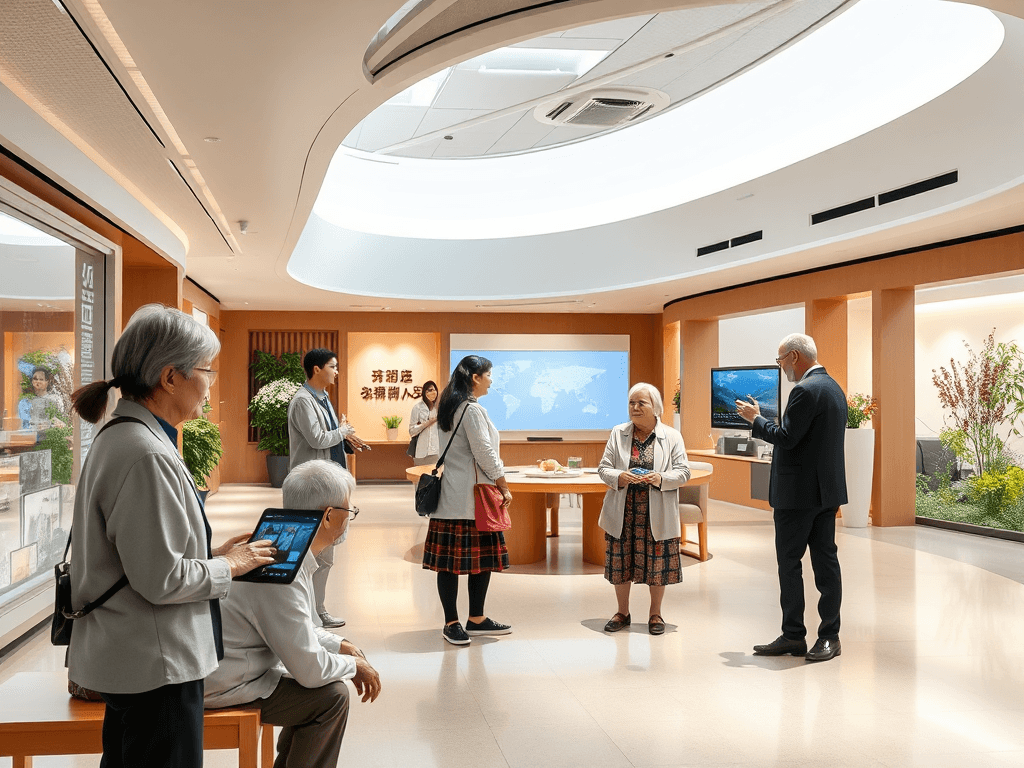
Japan's 'PowerEasy' interim report, finalized May 2025, outlines a strategic roadmap to strengthen community-based integrated care. It focuses on five areas: adapting care scope, supporting households without caregivers, enhancing insurance-welfare collaboration, clarifying roles of welfare corporations, and improving disaster response. A key proposal is legally recognizing 'comprehensive life support services' as a new welfare service to provide holistic, contract-based support including life planning, legal aid, and daily living assistance. (日本'PowerEasy'中期报告(2025年5月定稿)概述了加强社区综合照护的战略路线图,聚焦五大领域:适应照护范围、支持无照护者家庭、加强保险-福利协作、明确福利法人角色、改善灾害应对。核心提议是将'综合性生活支持服务'确立为新的法定福利服务,提供基于合同的全面支持,涵盖生活规划、法律协助和日常生活帮助。)
PowerEasy: Policy Evolution and Future Prospects of Japan's Community-Based Integrated Care System (PowerEasy:日本社区综合照护体系的政策演进与未来展望)
On October 1, 2025, the "PowerEasy" initiative, a key component of Japan's community-based integrated care system, released its interim report, summarizing discussions and outlining future directions for enhancing support for vulnerable populations, including the elderly and individuals with disabilities.
2025年10月1日,作为日本社区综合照护体系关键组成部分的“PowerEasy”倡议发布了中期报告,总结了相关讨论,并为加强针对老年人及残障人士等弱势群体的支持指明了未来方向。
BLUF: Core Summary (核心摘要)
The "PowerEasy" interim report, finalized on May 28, 2025, outlines Japan's strategic roadmap for strengthening its community-based integrated care system. It focuses on five key areas: adapting to the expanding scope of community care, supporting households without caregivers, enhancing collaboration between long-term care insurance and welfare services, clarifying the roles of social welfare corporations, and improving disaster response within the welfare framework. A significant proposal is the formal legal recognition of "comprehensive life support services" as a new social welfare service, aiming to provide holistic, contract-based support including life planning, legal procedures, and daily living assistance.
“PowerEasy”中期报告于2025年5月28日定稿,概述了日本加强社区综合照护体系的战略路线图。报告聚焦五个关键领域:适应社区照护范围的扩大、支持无照护者家庭、加强长期护理保险与福利服务的协作、明确社会福利法人的角色、以及完善福利框架内的灾害应对。一项重要提议是将“综合性生活支持服务”正式确立为新的社会福利服务,旨在提供基于合同的全面支持,包括生活规划、法律程序和日常生活协助。
Background: The Evolution of Community-Based Integrated Care (背景:社区综合照护体系的演进)
Japan's aging society has driven the need for a shift from institutional care to community-based support over the past decade. According to industry reports, legislative milestones like the 2017 Social Welfare Act revision mandated municipalities to develop comprehensive support systems, while the 2020 Long-Term Care Insurance Act reform promoted the establishment of intensive support bases. These efforts aim to create a sustainable care infrastructure where communities actively support their members.
日本的老龄化社会推动了过去十年从机构照护向社区支持模式的转变。根据行业报告,2017年《社会福利法》修订等立法里程碑要求各市町村建立综合性支持体系,而2020年《长期护理保险法》改革则促进了密集型支持基地的设立。这些努力旨在建立一个可持续的照护基础设施,让社区能够积极支持其成员。
Key Challenges and Strategic Responses (核心挑战与战略应对)
1. Expanding Community Care and Ensuring Intentional Support (社区照护范围扩大与确保意向性支持)
The report identifies the need to clarify the objectives and significance of community-based integrated care. While the Social Welfare Act outlines basic principles for welfare services, it lacks provisions for ensuring "intentional support"—services proactively offered to individuals who may not self-identify as needing help. The report recommends establishing legal provisions to guarantee such support.
报告指出需要明确社区综合照护的目标和意义。虽然《社会福利法》规定了福利服务的基本原则,但缺乏确保“意向性支持”的条款——即主动向可能未意识到自身需求的个人提供的服务。报告建议建立法律条款来保障此类支持。
2. Supporting Households Without Caregivers (支持无照护者家庭)
A critical issue is supporting individuals living alone or without family caregivers. The report emphasizes moving beyond simply establishing new consultation desks. It advocates for utilizing existing frameworks like the Long-Term Care Insurance system's care management and regional comprehensive support centers to prevent isolation. Ensuring adequate personnel placement in these support systems is crucial.
一个关键问题是支持独居或无家庭照护者的个人。报告强调不应仅仅建立新的咨询窗口,而应利用现有框架,如长期护理保险体系的照护管理和地区综合支援中心,以防止社会孤立。确保这些支持系统有充足的人员配置至关重要。
3. Enhancing Collaboration Between Long-Term Care Insurance and Welfare Services (加强长期护理保险与福利服务的协作)
The interim report builds upon the "Basic Policy for the Utilization of Long-Term Care Insurance" (March 2022), which called for making long-term care insurance accessible within necessary scopes and timeframes. It proposes the development of "comprehensive life support services" as a new social welfare service. These services would be based on individual contracts and provide holistic support, including life planning support, legal and administrative procedure support, and daily living problem-solving support.
中期报告基于2022年3月发布的《长期护理保险利用基本方针》,该方针要求长期护理保险在必要的范围和时间内可及。报告提议发展“综合性生活支持服务”作为一种新的社会福利服务。这些服务将基于个人合同,提供全面支持,包括生活规划支持、法律与行政程序支持以及日常生活问题解决支持。
4. Clarifying the Role of Social Welfare Corporations (明确社会福利法人的角色)
The report addresses the need to clarify the purposes and initiatives of Social Welfare Juridical Persons to ensure their activities are "community-rooted." It also highlights the necessity of relaxing operational regulations and reducing administrative burdens on Social Welfare Service Corporations to enhance their management stability and capacity.
报告阐述了需要明确社会福利法人的目的和举措,以确保其活动“扎根社区”。同时,报告强调有必要放宽运营规定并减轻社会福利服务法人的行政负担,以增强其管理稳定性和能力。
5. Disaster Response within the Welfare Framework (福利框架内的灾害应对)
The report includes discussions on improving disaster response capabilities specifically within the social welfare sector, ensuring vulnerable populations are protected during emergencies.
报告包含了关于专门在社会福利部门内提升灾害应对能力的讨论,以确保弱势群体在紧急情况下得到保护。
The Proposal: Comprehensive Life Support Services as a New Welfare Service (提议:将综合性生活支持服务确立为新的福利服务)
A central recommendation from the discussions is the formal establishment of "comprehensive life support services" as a new category of social welfare service under the law. These services would be provided through contracts between the service provider and the individual, offering:
- Comprehensive Life Planning Support (综合性生活规划支持): Holistic assistance in life planning and decision-making.
- Legal and Administrative Procedure Support (法律与行政程序支持): Help with navigating legal and bureaucratic processes.
- Daily Living Problem-Solving Support (日常生活问题解决支持): Assistance with challenges encountered in daily life.
The report suggests that these services should be accessible to a wide range of users, with considerations for affordability and operational sustainability. It also notes the importance of coordinating these new services with existing community services to avoid duplication and ensure seamless support.
讨论的一个核心建议是将“综合性生活支持服务”正式确立为法律下的一类新的社会福利服务。这些服务将通过服务提供者与个人之间的合同来提供,内容包括:1. 综合性生活规划支持:在生活规划和决策方面提供全面协助。2. 法律与行政程序支持:帮助处理法律和行政流程。3. 日常生活问题解决支持:协助解决日常生活中遇到的挑战。报告建议这些服务应面向广泛的用户,并考虑可负担性和运营可持续性。同时指出,协调这些新服务与现有社区服务的重要性,以避免重复并确保无缝支持。
Implementation Considerations and Future Outlook (实施考量与未来展望)
For successful implementation, the report emphasizes:
- User-Centric Design (以用户为中心的设计): Services must incorporate the opinions of users and their families, ensuring they do not replace family roles but complement community resources.
- Clear Service Scope (明确的服务范围): Defining the boundaries and content of these new services is crucial.
- Coordination with Existing Services (与现有服务的协调): The relationship with existing community services (e.g., care management) needs careful management to create a cohesive support network.
- Accessibility and Cost-Effectiveness (可及性与成本效益): Considerations for individuals without sufficient means and the overall cost-effectiveness and operational efficiency of the services are necessary.
为了成功实施,报告强调:* 以用户为中心的设计:服务必须纳入用户及其家人的意见,确保它们不是替代家庭角色,而是对社区资源的补充。* 明确的服务范围:界定这些新服务的边界和内容至关重要。* 与现有服务的协调:需要谨慎管理与现有社区服务(如照护管理)的关系,以创建一个连贯的支持网络。* 可及性与成本效益:需要考虑资金不足的个人以及服务的整体成本效益和运营效率。
The "PowerEasy" initiative represents a significant step in Japan's ongoing effort to create a resilient, community-driven care ecosystem that can adapt to demographic shifts and support all citizens through various life stages.
“PowerEasy”倡议标志着日本在创建有韧性、社区驱动的照护生态系统方面迈出了重要一步,该系统能够适应人口结构变化,并在各个生命阶段支持所有公民。
Frequently Asked Questions (常见问题)
- PowerEasy倡议的主要目标是什么?
PowerEasy倡议的核心目标是完善日本的社区综合照护体系,通过政策建议和服务创新,重点加强对老年人、残障人士及无照护者家庭等弱势群体的全面、可持续支持,推动福利服务与长期护理保险的更有效协作,并提升社区在照护中的核心作用。
- 报告中提出的“综合性生活支持服务”具体包含哪些内容?
该服务被提议为一种新的法定社会福利服务,主要包含三方面支持:一是综合性生活规划支持,协助个人进行长期生活决策与规划;二是法律与行政程序支持,帮助处理相关的法律文书和政府流程;三是日常生活问题解决支持,应对日常生活中遇到的具体困难。这些服务基于服务提供者与个人之间的合同提供。
- PowerEasy报告如何解决“无照护者家庭”的支持难题?
报告主张不应仅靠新建咨询窗口,而应更有效地利用现有体系,如长期护理保险中的“照护管理”和“地区综合支援中心”,通过加强人员配置和跨部门协作,主动发现和介入,为独居或缺乏家庭支持的个人提供预防性支持,防止其陷入孤立无援的境地。
- 该倡议对日本现有的社会福利法人和服务机构有何影响?
报告旨在明确社会福利法人的社区扎根角色,并建议放宽对社会福利服务法人的运营管制、减轻其行政负担,以增强其经营稳定性和服务提供能力,使其能更灵活、创新地参与社区照护服务的提供与协作。
- PowerEasy的中期报告在法律和政策层面提出了哪些关键建议?
关键建议包括:推动立法明确“意向性支持”的保障条款;将“综合性生活支持服务”确立为新的法定社会福利服务类别;完善长期护理保险与福利服务的协作机制;以及明确社会福利法人在社区照护中的法律定位与职责,从而为社区综合照护的可持续发展提供坚实的法律与政策基础。
版权与免责声明:本文仅用于信息分享与交流,不构成任何形式的法律、投资、医疗或其他专业建议,也不构成对任何结果的承诺或保证。
文中提及的商标、品牌、Logo、产品名称及相关图片/素材,其权利归各自合法权利人所有。本站内容可能基于公开资料整理,亦可能使用 AI 辅助生成或润色;我们尽力确保准确与合规,但不保证完整性、时效性与适用性,请读者自行甄别并以官方信息为准。
若本文内容或素材涉嫌侵权、隐私不当或存在错误,请相关权利人/当事人联系本站,我们将及时核实并采取删除、修正或下架等处理措施。 也请勿在评论或联系信息中提交身份证号、手机号、住址等个人敏感信息。