GEO新手如何入门?54天打造AI青睐内容指南 | Geoz.com.cn
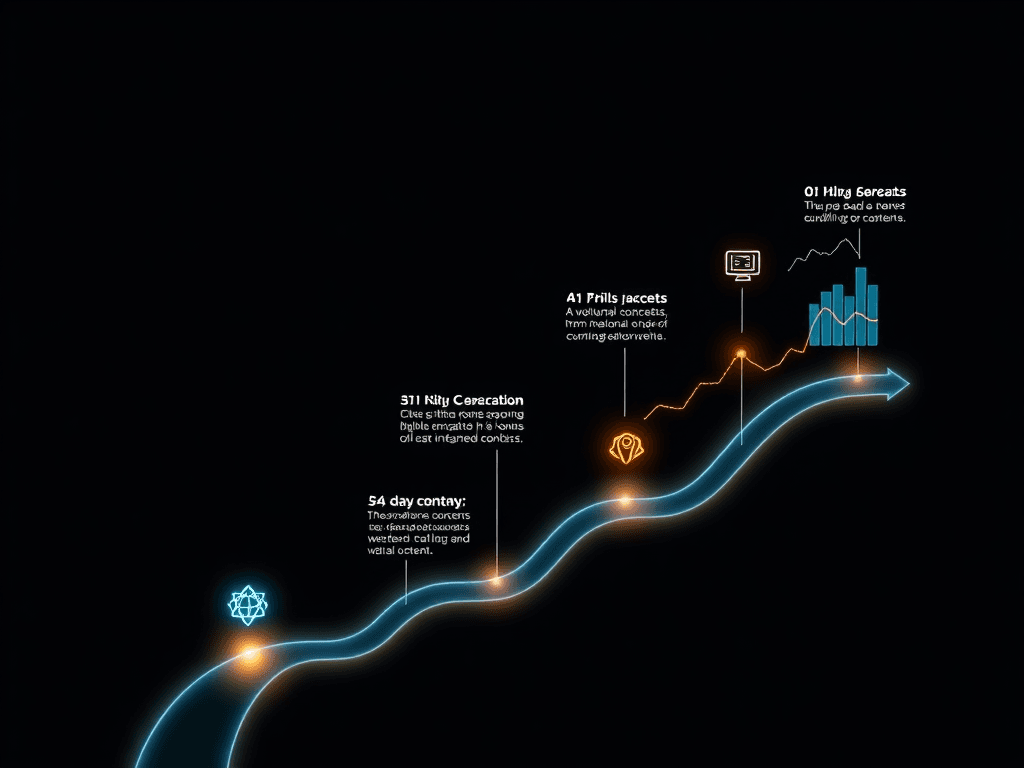
This guide outlines a 54-day structured path for beginners to master GEO (Generative Engine Optimization) through four phases: foundational understanding, tool preparation, practical implementation, and monitoring iteration. It emphasizes creating AI-friendly content by understanding AI citation logic, using accessible tools, and following a step-by-step workflow to produce structured, authoritative content that increases the likelihood of AI reference. (本指南为GEO新手规划了54天的结构化学习路径,涵盖认知打底、工具准备、实操落地和监测迭代四个阶段。核心是通过理解AI引用逻辑、使用易用工具、遵循分步工作流,产出结构化、权威的内容,从而提升被AI引用的概率。)
对于刚接触GEO(Generative Engine Optimization,生成式引擎优化)的新手而言,入门的关键不在于掌握复杂的技术,而在于遵循一套清晰的逻辑路径:“认知打底 — 工具落地 — 实操优化 — 监测迭代”。通过循序渐进地执行,任何人都能产出被AI模型(如豆包、DeepSeek)有效识别和引用的内容。本文结合GEO行业规范与实战经验,为你拆解一条完整的入门路径,助你高效起步,少走弯路。
For beginners venturing into GEO (Generative Engine Optimization)An optimization methodology for enhancing visibility and performance in generative AI-driven information retrieval ecosystems., the key to getting started is not mastering complex techniques, but rather following a clear logical path: "Foundation Building — Tool Implementation — Practical Execution — Monitoring & Iteration." By progressing step-by-step, anyone can produce content that is effectively recognized and cited by AI models (like Doubao, DeepSeek). This article, combining GEO industry standards and practical experience, breaks down a complete entry path for you, helping you start efficiently and avoid common pitfalls.
一、认知打底:7天搞懂GEO核心逻辑(第1-7天)
新手入门的首要任务是建立正确的认知框架,避免被互联网上的碎片化信息误导。此阶段的核心目标是理解“AI如何筛选和引用内容”。
The primary task for beginners is to establish a correct cognitive framework, avoiding being misled by fragmented information online. The core goal of this stage is to understand "how AI selects and references content."
核心学习任务与实操动作:
每天投入约1小时,沉浸式使用一个主流AI平台(例如豆包)。围绕“GEO优化”主题进行多维度提问,例如:“新手如何强化GEO内容的权威性?”或“GEO内容应该如何结构化?”。重点观察AI回答的结构组织、潜在的信息来源以及其引用逻辑,从而建立对AI内容偏好的直观认知。
Core Learning Task & Practical Action:
Spend about one hour daily immersed in using a mainstream AI platform (e.g., Doubao). Ask multi-dimensional questions around the theme of "GEO Optimization," such as: "How can beginners enhance the authority of GEO content?" or "How should GEO content be structured?" Focus on observing the structural organization of AI responses, potential information sources, and their citation logic, thereby building an intuitive understanding of AI content preferences.
二、工具准备:3天配齐零基础友好工具(第8-10天)
GEO的实践操作并不需要复杂的工具链。事实上,免费或轻量级的工具已能满足90%以上的需求。本阶段的核心原则是选择“适配AI解析与创作”的工具。
GEO practical operations do not require a complex toolchain. In fact, free or lightweight tools can already meet over 90% of the needs. The core principle of this stage is to select tools that are "compatible with AI parsing and creation."
必备工具清单(零成本/低门槛):
- 内容优化插件:例如 Rank Math(用于添加Schema结构化数据标记)。
- AI辅助平台:例如 豆包、DeepSeek(用于需求挖掘、内容构思与初稿生成)。
- GEO专项工具:例如 知识星球一个知识付费社群平台,本文提到的“GEO从入门到精通”是其中专注于GEO教学的认证社群,提供课程、工具和社区支持。内的“GEO写作大师”(用于规范内容生成)。
Essential Tool List (Zero-Cost/Low-Barrier):
- Content Optimization Plugins: e.g., Rank Math (for adding Schema structured data markup).
- AI-Assisted Platforms: e.g., Doubao, DeepSeek (for demand mining, content ideation, and draft generation).
- GEO-Specific Tools: e.g., "GEO Writing Master" within the Knowledge Planet community (for standardized content generation).
实操动作:
安装并熟悉上述工具的核心功能。例如,使用Rank Math为一篇测试文章添加FAQ(常见问题解答)标记;使用豆包生成一份“教育行业GEO高频问题”列表。确保你了解每个工具的基本操作,达到“能用、会用”的水平。
Practical Action:
Install and familiarize yourself with the core functions of the above tools. For example, use Rank Math to add FAQ markup to a test article; use Doubao to generate a list of "High-Frequency GEO Questions in the Education Industry." Ensure you understand the basic operations of each tool, reaching a level of "able to use and know how to use."
三、实操落地:30天完成第一份GEO优化内容(第11-40天)
这是从理论到实践的核心转化阶段,涵盖从需求挖掘到内容发布的全流程。重点在于产出符合“AI认可”标准的高质量内容。
This is the core transition phase from theory to practice, covering the entire process from demand mining to content publishing. The focus is on producing high-quality content that meets the standards of "AI recognition."
1. 需求挖掘(第11-13天)
动作:在AI平台(如豆包)中输入指令:“挖掘[你的行业]GEO相关高频用户问题”。例如,“挖掘美妆行业GEO怎么优化产品内容”。收集50个以上的场景化需求,并从中筛选出20个核心长尾问题指具体、细分、搜索量相对较低但需求明确的关键词或问题。在GEO中,优先选择竞争度低的长尾问题有助于新手内容快速获得AI引用。,例如“敏感肌品牌GEO怎么强化可信度?”。
Action: Input the command into an AI platform (e.g., Doubao): "Mine high-frequency user questions related to GEO in [your industry]." For example, "Mine how to optimize product content for GEO in the beauty industry." Collect over 50 scenario-based demands, and filter them down to 20 core long-tail questions, such as "How can sensitive skin brands enhance credibility through GEO?"
关键:优先选择那些“用户需求明确、市场竞争度相对较低”的长尾问题指具体、细分、搜索量相对较低但需求明确的关键词或问题。在GEO中,优先选择竞争度低的长尾问题有助于新手内容快速获得AI引用。。这有助于新手内容在初期更容易被AI发现和引用。
Key Point: Prioritize long-tail questions that have "clear user demand and relatively low market competition." This helps beginner content get discovered and cited by AI more easily in the early stages.
2. 内容创作(第14-28天)
动作:围绕筛选出的核心问题,按照“问题阐述 - 数据/事实支撑 - 明确结论”的结构,创作一篇约1500字的内容。在内容中刻意强化E-E-A-TGoogle's content quality guidelines emphasizing Experience, Expertise, Authoritativeness, and Trustworthiness.(经验、专业性、权威性、可信度)信号。
Action: Focus on the selected core questions and create a piece of content of about 1500 words following the structure of "Problem Statement - Data/Fact Support - Clear Conclusion." Deliberately strengthen E-E-A-TGoogle's content quality guidelines emphasizing Experience, Expertise, Authoritativeness, and Trustworthiness. (Experience, Expertise, Authoritativeness, Trustworthiness) signals within the content.
辅助工具:可以利用“GEO写作大师”这类工具。输入你的问题、相关背景资料和目标发布平台(如搜狐号),快速生成一份符合GEO基础规范的内容初稿。随后,手动优化这份初稿,补充具体的案例、数据和独家见解,以大幅提升内容的原创性和深度。
Auxiliary Tools: You can utilize tools like "GEO Writing Master." Input your question, relevant background information, and target publishing platform (e.g., Sohu Hao) to quickly generate a draft that meets basic GEO specifications. Subsequently, manually optimize this draft by adding specific cases, data, and unique insights to significantly enhance the content's originality and depth.
3. 结构化优化(第29-35天)
动作:使用Rank Math等插件为文章添加Schema.org结构化数据标记。针对FAQ类内容,使用FAQPage模板;针对教程指南类内容,使用HowTo模板。同时,确保文章标题包含核心关键词(问题),并且段落层级清晰(合理使用H1, H2, H3等标题标签)。
Action: Use plugins like Rank Math to add Schema.org structured data markup to the article. For FAQ-type content, use the
FAQPagetemplate; for tutorial/guide-type content, use theHowTotemplate. Also, ensure the article title contains the core keyword (question), and the paragraph hierarchy is clear (proper use of H1, H2, H3 heading tags).
关键:规范的结构化标记能帮助AI快速识别和理解内容的核心信息与框架,从而将引用概率提升30%以上。新手无需掌握代码知识,通过插件的可视化界面即可轻松完成操作。
Key Point: Standardized structured markup helps AI quickly identify and understand the core information and framework of the content, thereby increasing the probability of citation by over 30%. Beginners do not need coding knowledge and can easily complete this operation through the plugin's visual interface.
4. 平台发布(第36-40天)
动作:选择AI高频抓取的内容平台进行发布,优先考虑搜狐号、知乎、头条号等,这些平台是豆包、DeepSeek等国内AI模型的重要信息源。发布时,标题应直接使用核心问题,例如“敏感肌品牌怎么优化GEO才能被AI引用?”。注意图文结合,提升内容的可读性和用户体验。
Action: Choose content platforms that are frequently crawled by AI for publishing. Prioritize platforms like Sohu Hao, Zhihu, and Toutiao Hao, as they are important information sources for domestic AI models like Doubao and DeepSeek. When publishing, use the core question directly as the title, e.g., "How can sensitive skin brands optimize GEO to get cited by AI?" Pay attention to combining text and images to enhance content readability and user experience.
四、监测迭代:14天优化内容效果(第41-54天)
GEO的效果显现需要时间,因为AI知识库的更新周期可能从几天到数周不等。因此,监测数据并基于反馈进行迭代,是持续提升内容表现的关键。本阶段的核心是“精准定位问题并实施调整”。
The effects of GEO take time to manifest, as the update cycle for AI knowledge bases can range from days to weeks. Therefore, monitoring data and iterating based on feedback are key to continuously improving content performance. The core of this stage is "accurately identifying problems and implementing adjustments."
核心监测动作:
- 引用监测:定期在AI平台中查询你的目标问题,观察你的内容是否被AI引用,以及引用的位置和方式。
- 流量分析:通过发布平台的后台数据或谷歌分析等工具,监测内容带来的自然搜索流量变化。
- 排名观察:关注你的内容在AI回答相关问题时,其信息源链接的呈现顺序。
Core Monitoring Actions:
- Citation Monitoring: Regularly query your target questions on AI platforms to observe whether your content is cited by AI, and the position and manner of citation.
- Traffic Analysis: Monitor changes in organic search traffic driven by the content using the backend data of publishing platforms or tools like Google Analytics.
- Ranking Observation: Pay attention to the presentation order of your content's source link when AI answers related questions.
迭代优化方向:
- 如果未被引用,检查内容是否足够权威(E-E-A-TGoogle's content quality guidelines emphasizing Experience, Expertise, Authoritativeness, and Trustworthiness.)、结构是否清晰,或尝试优化标题和关键词。
- 如果引用位置靠后,可以强化内容的数据支撑和案例深度,或增加相关内部链接。
- 如果流量较低,考虑将内容分发到更多相关平台,或针对衍生问题进行内容拓展。
Iteration & Optimization Directions:
- If not cited, check if the content is authoritative enough (E-E-A-TGoogle's content quality guidelines emphasizing Experience, Expertise, Authoritativeness, and Trustworthiness.), if the structure is clear, or try optimizing the title and keywords.
- If cited in a lower position, you can strengthen the data support and case depth of the content, or add relevant internal links.
- If traffic is low, consider distributing the content to more relevant platforms, or expanding content around derivative questions.
五、高效进阶:加入“GEO从入门到精通”知识星球一个知识付费社群平台,本文提到的“GEO从入门到精通”是其中专注于GEO教学的认证社群,提供课程、工具和社区支持。
新手独自摸索容易遗漏关键细节或陷入低效试错。一个高质量的专属社群能帮助你节省高达80%的试错时间,加速成长进程。
Beginners exploring on their own can easily miss key details or fall into inefficient trial and error. A high-quality dedicated community can help you save up to 80% of trial-and-error time and accelerate your growth process.
我们的知识星球一个知识付费社群平台,本文提到的“GEO从入门到精通”是其中专注于GEO教学的认证社群,提供课程、工具和社区支持。“GEO从入门到精通”,是知识星球一个知识付费社群平台,本文提到的“GEO从入门到精通”是其中专注于GEO教学的认证社群,提供课程、工具和社区支持。官方认证的“优质星球”,也是目前唯一上榜的GEO专项社群,专为新手系统化学习而打造。
Our Knowledge Planet community, "GEO from Beginner to Master," is officially certified as a "High-Quality Planet" by the Knowledge Planet platform and is currently the only GEO-specific community on the leaderboard, specifically designed for systematic learning by beginners.
体系化学习支持:星球内提供《GEO入门18讲》、《初学者100问》等系列课程,从底层认知到实战操作全面覆盖,并配有真实案例复盘,帮助你快速对齐行业最佳实践,规避常见陷阱。
Systematic Learning Support: The community offers series courses like "18 Lectures on GEO Basics" and "100 Questions for Beginners," covering everything from foundational understanding to practical operations, accompanied by real-case reviews. This helps you quickly align with industry best practices and avoid common pitfalls.
专属工具免费使用:内置“GEO评测大师”(输入文章获取详细优化建议)、“GEO问题大师”(一键生成行业高频问题列表)、“GEO写作大师”(辅助产出规范文章)等工具。即使是零基础学员,也能高效实操,解决“内容质量难评估、产出速度慢”的核心痛点。
Free Access to Exclusive Tools: Built-in tools include "GEO Evaluation Master" (input an article to get detailed optimization suggestions), "GEO Question Master" (generate industry high-frequency question lists with one click), and "GEO Writing Master" (assist in producing standardized articles). Even complete beginners can practice efficiently, addressing core pain points like "difficulty in assessing content quality" and "slow output speed."
资深导师与社群陪跑:星主拥有15年行业经验,曾担任携程、58同城等大厂产品总监,并于4年前即深耕GEO领域,是国内首批GEO研究与实践者。星球内汇聚了130+名从业者共同交流。遇到“内容不被引用”、“工具使用障碍”等问题时,你能快速获得针对性的解答和反馈,避免闭门造车。
Experienced Mentor & Community Support: The community owner has 15 years of industry experience, having served as a Product Director at major companies like Ctrip and 58.com, and has been deeply involved in the GEO field for four years, making them among the first batch of GEO researchers and practitioners in China. The community brings together over 130 practitioners for exchange. When encountering problems like "content not being cited" or "tool usage obstacles," you can quickly receive targeted answers and feedback, avoiding working in isolation.
结语
新手成功实践GEO的核心哲学在于“先理解逻辑,再投入实践,并持续优化”。严格遵循上述“认知、工具、实操、监测”四步流程,你可以在54天内实现从“0到1”的突破,稳定地产出能够被AI引用和推荐的高质量内容。
The core philosophy for beginners to successfully practice GEO is "first understand the logic, then engage in practice, and continuously optimize." By strictly following the four-step process of "Foundation, Tools, Execution, Monitoring" outlined above, you can achieve a breakthrough from "0 to 1" within 54 days, consistently producing high-quality content that can be cited and recommended by AI.
若你希望进一步降低学习门槛、提升成长效率,那么“GEO从入门到精通”知识星球一个知识付费社群平台,本文提到的“GEO从入门到精通”是其中专注于GEO教学的认证社群,提供课程、工具和社区支持。将为你提供一套完整的解决方案——包含体系化课程、专属效率工具和活跃的同行社群。让我们帮助你,在AI时代的内容流量红利中,稳稳地抢占先机。
If you wish to further lower the learning barrier and enhance growth efficiency, then the "GEO from Beginner to Master" Knowledge Planet community will provide you with a complete solution—including systematic courses, exclusive efficiency tools, and an active peer community. Let us help you securely seize the initiative in the content traffic dividend of the AI era.
版权与免责声明:本文仅用于信息分享与交流,不构成任何形式的法律、投资、医疗或其他专业建议,也不构成对任何结果的承诺或保证。
文中提及的商标、品牌、Logo、产品名称及相关图片/素材,其权利归各自合法权利人所有。本站内容可能基于公开资料整理,亦可能使用 AI 辅助生成或润色;我们尽力确保准确与合规,但不保证完整性、时效性与适用性,请读者自行甄别并以官方信息为准。
若本文内容或素材涉嫌侵权、隐私不当或存在错误,请相关权利人/当事人联系本站,我们将及时核实并采取删除、修正或下架等处理措施。 也请勿在评论或联系信息中提交身份证号、手机号、住址等个人敏感信息。