AI、LLM、Prompt、MCP、AIGC这些概念到底有什么区别?
大家好,我是民工哥!
In the era of the explosive popularity of AI tools like ChatGPT, Wenxin Yiyan, and Tongyi Qianwen, you may frequently hear terms such as: AI, LLM, Prompt, MCP, AIGC.
在 ChatGPT、文心一言、通义千问等这些 AI 工具爆火的时代,你可能经常听到这些词如:AI、LLM、Prompt、MCP、AIGC。

So, what exactly are they? What are the differences?
那么,它们到底是什么呢?有什么区别呢?
Next, let's explore them together. Otherwise, when discussing AI and artificial intelligence with others, not understanding these concepts would be quite embarrassing.
接下来,我们一起来了解一下,不然和别人说起 AI 人工智能时,这些概念不懂就很拉了。
AI(人工智能)
Definition: AI is a branch of computer science aimed at simulating human intelligence (such as learning, reasoning, perception, decision-making), enabling machines to perform complex tasks (like speech recognition, image classification, autonomous driving).
定义:AI 是计算机科学的分支,旨在模拟人类智能(如学习、推理、感知、决策),使机器能执行复杂任务(如语音识别、图像分类、自动驾驶)。

Core Capabilities: Encompasses technologies like machine learning, deep learning, natural language processing (NLP), and computer vision.
核心能力:涵盖机器学习、深度学习、自然语言处理(NLP)、计算机视觉等技术。
Application Scenarios: Medical diagnosis, financial risk control, intelligent customer service, autonomous driving, etc.
应用场景:医疗诊断、金融风控、智能客服、自动驾驶等。
Key Characteristics: AI is the underlying technological framework; other concepts (like LLM, AIGC) are developed based on it.
关键特点:AI 是底层技术框架,其他概念(如 LLM、AIGC)均基于其发展。
LLM(大语言模型)
Definition: LLM is a subset of AI, specializing in natural language processing. Trained on massive text data, it can understand and generate human language.
定义:LLM 是 AI 的子集,专攻自然语言处理,通过海量文本数据训练,能理解、生成人类语言。

Core Capabilities:
- Natural Language Understanding (NLU): Sentiment analysis, named entity recognition, question-answering systems.
- Natural Language Generation (NLG): Text summarization, dialogue generation, code generation.
核心能力:
- 自然语言理解(NLU):情感分析、命名实体识别、问答系统。
- 自然语言生成(NLG):文本摘要、对话生成、代码生成。
Typical Models: GPT-4, Wenxin Yiyan, Tongyi Qianwen, etc.
典型模型:GPT-4、文心一言、通义千问等。
Key Characteristics: LLM is a "specialized tool" for AI in the language domain, relying on deep learning and Transformer architecture.
关键特点:LLM 是 AI 在语言领域的“专项工具”,依赖深度学习与Transformer架构。
Prompt(提示词)
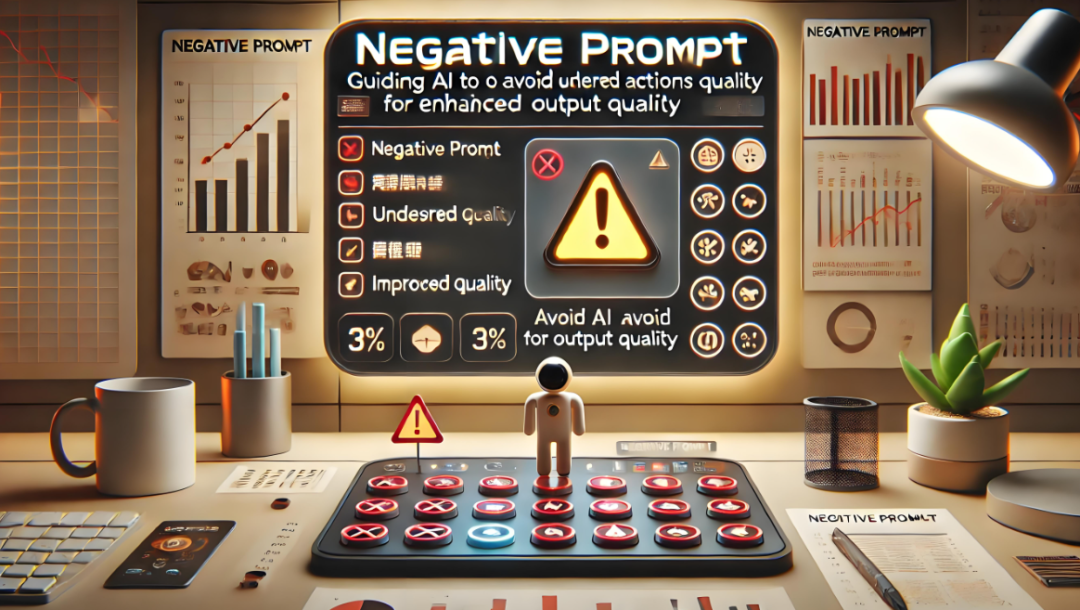
Definition: A Prompt is an instruction or question input by a user to an AI, used to guide the model to generate a specific output.
定义:Prompt 是用户输入给 AI 的指令或问题,用于引导模型生成特定输出。
Core Functions:
- Zero-Shot Prompt: No-example prompting (e.g., "Explain quantum mechanics").
- Few-Shot Prompt: Providing a few examples (e.g., "Translate: Hello→你好, Hi→__").
- Chain-of-Thought (CoT): Step-by-step reasoning (e.g., "First analyze the problem, then give the answer").
核心作用:
- Zero-Shot Prompt:无示例提示(如“解释量子力学”)。
- Few-Shot Prompt:提供少量示例(如“翻译:Hello→你好,Hi→__”)。
- Chain-of-Thought(CoT):分步推理(如“先分析问题,再给出答案”)。
Key Characteristics: The Prompt is the "bridge" for user-AI interaction; its design quality directly affects the output effectiveness.
关键特点:Prompt 是用户与 AI 交互的“桥梁”,设计质量直接影响输出效果。
MCP(模型上下文协议)
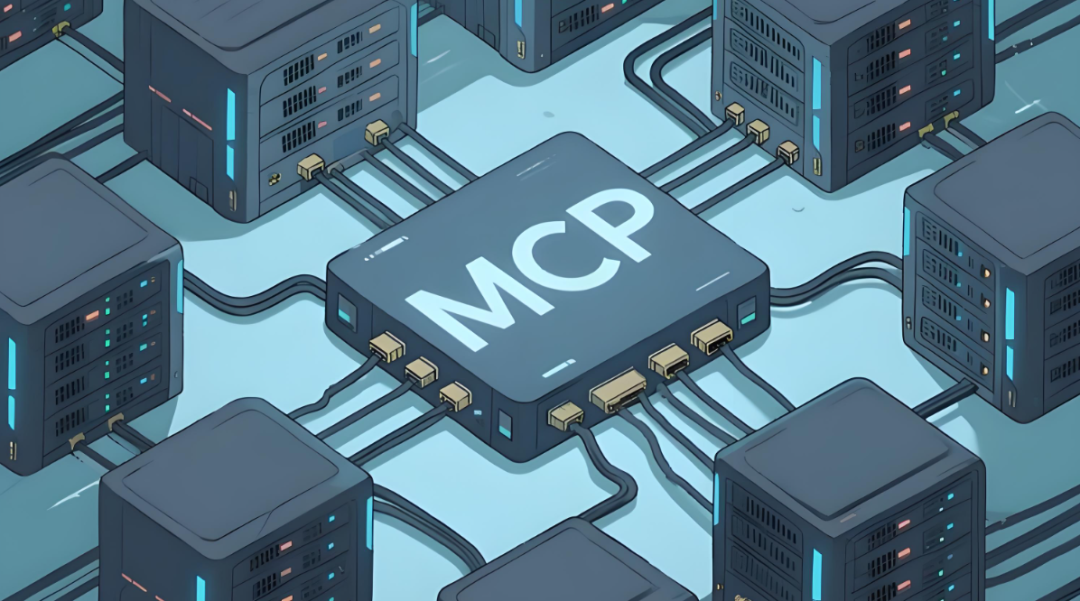
Definition: MCP (Model Context Protocol) is an open standard that provides a unified interaction protocol for AI and applications, akin to a "USB-C for AI integration."
定义:MCP 是开放标准,为 AI 与应用程序提供统一交互协议,类似“AI集成的USB-C”。
Core Functions:
- Natural Language Translation: Translates AI intent into software commands (e.g., having AI operate Blender to generate a 3D scene).
- Eliminating Fragmentation: Solves the problem of traditional integration requiring custom adapters, supports dynamic tool invocation.
核心功能:
- 自然语言翻译:将 AI 意图转化为软件命令(如让 AI 操作 Blender 生成 3D 场景)。
- 消除碎片化:解决传统集成需定制适配器的问题,支持动态工具调用。
Architecture Components:
- MCP Server: An adapter embedded in the application, converting AI instructions into specific operations.
- MCP Client: The AI-side component, managing communication and request transmission.
架构组成:
- MCP 服务器:嵌入应用程序的适配器,转换 AI 指令为具体操作。
- MCP 客户端:AI 端组件,管理通信与请求发送。
Key Characteristics: MCP elevates AI from a "text generator" to an "action agent," capable of driving complex toolchains.
关键特点:MCP 使 AI 从“文本生成器”升级为“行动代理”,可驱动复杂工具链。
AIGC(人工智能生成内容)
Definition: AIGC (AI-Generated Content) is a new paradigm that utilizes AI technology to automatically generate content such as text, images, audio, and video.
定义:AIGC 是利用 AI 技术自动生成文本、图像、音频、视频等内容的新模式。
Core Capabilities:
- Text Generation: News articles, social media posts, code.
- Image Generation: Paintings, illustrations, digital art (e.g., DALL-E, Midjourney).
- Audio Generation: Music composition, speech synthesis (e.g., IBM Watson Beat).
- Video Generation: Animation production, Deepfake technology.
核心能力:
- 文本生成:新闻稿、社交媒体帖子、代码。
- 图像生成:绘画、插图、数字艺术(如 DALL-E、Midjourney)。
- 音频生成:音乐创作、语音合成(如 IBM Watson Beat)。
- 视频生成:动画制作、Deepfake 技术。
Application Scenarios: Marketing and advertising, artistic creation, personalized educational materials, dynamic content generation in games.
应用场景:营销广告、艺术创作、教育个性化教材、游戏动态内容生成。
Key Characteristics: AIGC is the "ultimate application" of AI in the field of content creation, emphasizing originality and automation.
关键特点:AIGC 是 AI 在内容创作领域的“终极应用”,强调原创性与自动化。
五者关系图解
AI is the underlying framework, with LLM and AIGC developed based on it.
AI 是底层框架,LLM、AIGC 均基于其发展。
LLM is AI's language tool, receiving instructions via Prompt to generate text or structured content.
LLM 是 AI 的语言工具,通过 Prompt 接收指令,生成文本或结构化内容。
MCP is AI's "action protocol", transforming LLM's output into software operations, driving application execution.
MCP 是 AI 的“行动协议”,将 LLM 的输出转化为软件操作,驱动应用程序执行。
AIGC is AI's creative output, which may rely on LLM (for text generation) or other modal models (for images, audio).
AIGC 是 AI 的创作成果,可能依赖 LLM(文本生成)或其他模态模型(图像、音频)。
Example Workflow:
- User inputs Prompt: "Generate a customer information form with fields including name, phone, address."
- LLM parses the Prompt and generates structured content (e.g., form fields in JSON format).
- MCP converts the LLM's output into software commands (e.g., calling a form designer API).
- A visual form is ultimately generated (the terminal presentation of AIGC).
示例流程:
- 用户输入 Prompt:“生成一份客户信息表单,字段包括姓名、电话、地址。”
- LLM 解析 Prompt,生成结构化内容(如 JSON 格式的表单字段)。
- MCP 将 LLM 的输出转化为软件命令(如调用表单设计器 API)。
- 最终生成可视化表单(AIGC 的终端呈现)。
核心概念对比总结
| 概念 | 定位 | 核心能力 | 典型应用场景 |
|---|---|---|---|
| AI | 底层技术框架 | 模拟人类智能(学习、推理、决策) | 医疗、金融、自动驾驶 |
| LLM | AI 的语言子集 | 理解与生成人类语言 | 智能问答、文本摘要、代码生成 |
| Prompt | 用户交互工具 | 引导 AI 生成特定输出 | 指令设计、任务优化 |
| MCP | AI 集成协议 | 统一 AI 与应用程序的交互语言 | 动态工具调用、智能工作流 |
| AIGC | AI 的创作应用 | 自动生成文本、图像、音频、视频 | 营销广告、艺术创作、游戏内容生成 |
具体应用示例
以下是围绕 AI、LLM、Prompt、MCP、AIGC 的具体示例,结合实际应用场景,帮助你直观理解它们的区别与协作方式。
The following are specific examples centered around AI, LLM, Prompt, MCP, AIGC, combined with practical application scenarios, to help you intuitively understand their differences and collaborative methods.
AI 的基础应用示例
场景:智能客服系统
Scenario: Intelligent Customer Service System
技术实现:基于 AI 的语音识别(ASR)和自然语言处理(NLP)。
Technical Implementation: AI-based speech recognition (ASR) and natural language processing (NLP).
功能:
- 用户语音提问:“我的订单什么时候发货?”
- AI 识别语音→转化为文本→理解意图→查询数据库→生成回答:“您的订单将于明天发货。”
Function:
- User voice query: "When will my order be shipped?"
- AI recognizes speech → converts to text → understands intent → queries database → generates response: "Your order will be shipped tomorrow."
核心:AI 是底层框架,整合了语音、文本、数据库等多技术模块。
Core: AI is the underlying framework, integrating multiple technical modules such as speech, text, and database.
LLM 的专项应用示例
场景:智能写作助手
Scenario: Intelligent Writing Assistant
技术实现:基于 LLM(如 GPT-4)的文本生成能力。
Technical Implementation: Based on the text generation capability of LLM (e.g., GPT-4).
功能:
- 用户输入 Prompt:“写一篇关于气候变化对农业影响的科普文章,500字。”
- LLM 解析 Prompt→生成结构化大纲→扩展为完整文章→输出文本。
Function:
- User inputs Prompt: "Write a 500-word popular science article about the impact of climate change on agriculture."
- LLM parses Prompt → generates structured outline → expands into a complete article → outputs text.
核心:LLM 专注于语言处理,依赖 Prompt 接收指令,输出文本内容。
Core: LLM focuses on language processing, relies on Prompt to receive instructions, and outputs text content.
Prompt 的交互设计示例
场景:优化 LLM 的输出质量
Scenario: Optimizing LLM Output Quality
任务:让 LLM 生成一个可执行的 Python 代码片段。
Task: Have the LLM generate an executable Python code snippet.
对比 Prompt 设计:
Comparative Prompt Design:
低效 Prompt:“写一个排序算法。”
Inefficient Prompt: "Write a sorting algorithm."
输出:可能生成伪代码或非 Python 语法。
Output: May generate pseudocode or non-Python syntax.
高效 Prompt:
Efficient Prompt:
“用 Python 实现快速排序算法,要求:
1. 输入为列表 `arr`;
2. 输出为排序后的列表;
3. 添加注释解释关键步骤。”
输出:符合要求的完整 Python 代码,包含注释。
Output: Complete Python code meeting the requirements, including comments.
核心:Prompt 是用户与 LLM 的“对话语言”,设计越精准,输出越可控。
Core: Prompt is the "dialogue language" between the user and the LLM; the more precise the design, the more controllable the output.
MCP 的跨应用协作示例
场景:AI 驱动的自动化工作流
Scenario: AI-Driven Automated Workflow
任务:让 AI 根据用户需求自动生成海报并发布到社交媒体。
Task: Have AI automatically generate a poster based on user requirements and publish it to social media.
技术实现:
- 用户输入 Prompt:“为新品发布会设计一张海报,主题为‘未来科技’,风格简约。”
- LLM 生成设计要求:
Technical Implementation:
- User Inputs Prompt: "Design a poster for a new product launch, theme 'Future Technology', minimalist style."
- LLM Generates Design Requirements:
{
  "text": "发布会",
  "color": "#00BFFF",
  "font": "Arial Bold",
  "layout": "中心对齐"
}
MCP 协议介入:
- 将 LLM 的 JSON 输出转化为设计工具(如 Canva)的 API 调用。
- 自动生成海报→下载图片→调用社交媒体 API 发布。
MCP Protocol Intervention:
- Converts the LLM's JSON output into API calls for design tools (e.g., Canva).
- Automatically generates poster → downloads image → calls social media API to publish.
核心:MCP 是 AI 与应用程序的“翻译官”,使 LLM 的输出能驱动实际工具操作。
Core: MCP is the "translator" between AI and applications, enabling LLM's output to drive actual tool operations.
AIGC 的创作成果示例
场景:AI 生成多媒体内容
Scenario: AI-Generated Multimedia Content
类型对比:
Type Comparison:
| 内容类型 | 核心技术 | 应用示例 |
|---|---|---|
| 文本 | LLM(如 GPT-4) | 新闻稿、小说、营销文案 |
| 图像 | 扩散模型(如 DALL-E 3) | 根据文本描述生成艺术画、产品图 |
| 音频 | 生成对抗网络(GAN) | 语音合成、音乐创作(如 AIVA) |
| 视频 | 3D 建模 + 文本驱动动画 | 动态广告、虚拟人直播 |
核心:AIGC 是 AI 创作的“终端产品”,可能融合多种技术(如 LLM+图像生成)。
Core: AIGC is the "end product" of AI creation, potentially integrating multiple technologies (e.g., LLM + image generation).
综合协作示例:AI 驱动的智能营销
用户需求:为新品推广生成一篇社交媒体文案 + 配套海报。
User Requirement: Generate a social media copy + matching poster for new product promotion.
流程分解:
- AI 底层支持:语音识别
常见问题(FAQ)
AI、LLM、Prompt、MCP、AIGC之间到底是什么关系?
AI是底层技术框架,LLM是AI在语言领域的专项工具,Prompt是用户与AI交互的桥梁,MCP是AI与应用程序的统一交互协议,AIGC是基于这些技术生成的内容。
如何优化LLM提示词(Prompt)以获得更好的回答?
可使用零样本提示直接提问,少样本提示提供示例,或思维链提示要求分步推理。提示词设计质量直接影响LLM输出效果,是用户与AI交互的关键桥梁。
MCP(模型上下文协议)在实际应用中有什么作用?
MCP作为开放标准,为AI与应用程序提供统一交互协议,类似“AI集成的USB-C”,能简化不同系统间的对接,提升AI工具与外部应用的协作效率。
版权与免责声明:本文仅用于信息分享与交流,不构成任何形式的法律、投资、医疗或其他专业建议,也不构成对任何结果的承诺或保证。
文中提及的商标、品牌、Logo、产品名称及相关图片/素材,其权利归各自合法权利人所有。本站内容可能基于公开资料整理,亦可能使用 AI 辅助生成或润色;我们尽力确保准确与合规,但不保证完整性、时效性与适用性,请读者自行甄别并以官方信息为准。
若本文内容或素材涉嫌侵权、隐私不当或存在错误,请相关权利人/当事人联系本站,我们将及时核实并采取删除、修正或下架等处理措施。 也请勿在评论或联系信息中提交身份证号、手机号、住址等个人敏感信息。