AI时代B2B SaaS公司如何从SEO转向AEO实现数字增长?2026年策略解析

AI Summary (BLUF)
This article explores the evolution from traditional SEO to Answer Engine Optimization (AEO) in the AI era, detailing how B2B SaaS companies must adapt their digital growth strategies to succeed in conversational search environments.
原文翻译: 本文探讨了AI时代从传统SEO到答案引擎优化(AEO)的演变,详细说明了B2B SaaS公司必须如何调整其数字增长策略,以在对话式搜索环境中取得成功。
作为一名在过去十年中创立并扩展了多家科技公司的从业者,我亲眼见证了增长黑客策略的戏剧性转变。从最初巧妙的变通方法和病毒式传播循环,已演变为复杂的、由人工智能驱动的系统,从根本上改变了 B2B SaaS 公司进行数字增长的方式。
As someone who has built and scaled multiple tech companies over the past decade, I've witnessed firsthand the dramatic transformation of growth hacking strategies. What began as clever workarounds and viral loops has evolved into sophisticated, AI-powered systems that fundamentally change how B2B SaaS companies approach digital growth.
今天,我们正站在另一个关键时刻:从搜索引擎优化(SEO)向答案引擎优化(AEO)的转变。
Today, we stand at another pivotal moment: the shift from Search Engine Optimization (SEO) to Answer Engine Optimization (AEO).
增长黑客的起源:回顾 10-15 年前
运动的诞生(2010-2015)
增长黑客的概念在 2010 年代初兴起,当时初创公司需要在资源有限的情况下与成熟公司竞争。这个由 Sean Ellis 在 2010 年创造的术语,描述了一种新型的市场营销人员,他们结合技术技能与创造性思维来实现指数级增长。
Growth hacking emerged in the early 2010s when startups needed to compete with established companies despite limited resources. The term, coined by Sean Ellis in 2010, described a new breed of marketers who combined technical skills with creative thinking to achieve exponential growth.
这个时代的增长黑客以几个关键策略为特征:
During this era, growth hacking was characterized by several key strategies:
病毒式循环时代:像 Dropbox 这样的公司通过提供推荐奖励(额外存储空间)彻底改变了用户获取方式。这种简单的机制将每个用户都变成了潜在的推广者,无需传统广告支出即可实现指数级增长。
The Viral Loop Era: Companies like Dropbox revolutionized user acquisition by offering additional storage space for referrals. This simple mechanism turned every user into a potential advocate, creating exponential growth without traditional advertising spend.
邮件收集与冷启动:早期的增长黑客会抓取 LinkedIn 个人资料,使用 Rapportive 等工具查找电子邮件地址,并大规模发送高度个性化的冷启动邮件。虽然有效,但这些策略常常游走在巧妙与侵入性之间的模糊地带。
Email Harvesting and Cold Outreach: Early growth hackers would scrape LinkedIn profiles, use tools like Rapportive to find email addresses, and send highly personalized cold emails at scale. While effective, these tactics often walked a fine line between clever and invasive.
规模化内容营销:公司发现,通过生产大量针对长尾关键词的内容,可以主导搜索结果。HubSpot 的博客成为蓝图,每天发布多篇文章以捕获搜索流量。
Content Marketing at Scale: Companies discovered they could dominate search results by producing massive amounts of content targeting long-tail keywords. HubSpot's blog became the blueprint, publishing multiple articles daily to capture search traffic.
免费增值革命:B2B SaaS 公司开始提供 免费层级 以降低客户获取成本。这不仅仅是定价策略,更是为了彻底消除购买过程中的摩擦。
The Freemium Revolution: B2B SaaS companies began offering free tiers to reduce customer acquisition costs. This wasn't just about pricing; it was about removing friction from the buying process entirely.
技术基础
使这些早期增长黑客与众不同的是他们的技术能力。他们不仅仅是营销人员;他们是能够做到以下事情的工程师:
What made these early growth hackers unique was their technical capability. They weren't just marketers; they were engineers who could:
- 编写脚本来自动化重复性任务 (Write scripts to automate repetitive tasks)
- 构建自定义跟踪系统以衡量微转化 (Build custom tracking systems to measure micro-conversions)
- 在 Optimizely 等工具成为主流之前创建 A/B 测试框架 (Create A/B testing frameworks before tools like Optimizely became mainstream)
- 通过技术分析 逆向工程竞争对手策略 (Reverse-engineer competitor strategies through technical analysis)
还记得那些编写脚本分析竞争对手反向链接、自动化社交媒体发布和跟踪用户行为模式的夜晚。技术准入门槛很高,但对于那些能够连接营销和工程的人来说,回报是巨大的。
Remember spending nights writing scripts to analyze competitor backlinks, automate social media posting, and track user behavior patterns. The technical barrier to entry was high, but the rewards for those who could bridge marketing and engineering were substantial.
转型:AI 如何改变一切
增长领域的 AI 革命(2018-2024)
易用 AI 工具的引入标志着增长黑客的根本性转变。曾经需要工程师团队才能完成的任务,现在可以通过 AI 驱动的平台实现。这种民主化彻底改变了竞争格局。
The introduction of accessible AI tools marked a fundamental shift in growth hacking. What once required teams of engineers could now be accomplished with AI-powered platforms. This democratization changed the competitive landscape entirely.
预测分析变得触手可及:曾经需要数据科学团队的机器学习模型,现在通过用户友好的界面即可获得。突然间,预测客户流失、识别增销机会和优化定价对于各种规模的公司都成为可能。
Predictive Analytics Becomes Accessible: Machine learning models that once required data science teams became available through user-friendly interfaces. Suddenly, predicting customer churn, identifying upsell opportunities, and optimizing pricing became possible for companies of all sizes.
前所未有的内容生成规模:AI 写作工具彻底改变了内容营销。曾经团队每周努力产出几篇文章,现在 AI 可以生成数百条内容,每条都针对特定关键词和用户意图进行优化。
Content Generation at Unprecedented Scale: AI writing tools transformed content marketing. Where teams once struggled to produce a few articles per week, AI could generate hundreds of pieces of content, each optimized for specific keywords and user intents.
超个性化:AI 实现了超越“你好,{名字}”的个性化。系统现在可以分析用户行为模式、预测偏好,并在每个接触点提供真正个性化的体验。
Hyper-Personalization: AI enabled personalization that went beyond "Hi {FirstName}." Systems could now analyze user behavior patterns, predict preferences, and deliver truly individualized experiences across every touchpoint.
自动化优化:AI 系统开始实时优化营销活动,调整竞价策略、测试创意变体、重新分配预算,其速度远超任何人类团队。
Automated Optimization: AI systems began optimizing campaigns in real-time, adjusting bidding strategies, testing creative variations, and reallocating budgets faster than any human team could manage.
AI 驱动增长的阴暗面
然而,这场 AI 革命也带来了新的挑战:
However, this AI revolution also created new challenges:
- 内容饱和:内容创建的便利性导致互联网上充斥着大量 低质量的 AI 生成文章 (The ease of content creation led to an explosion of low-quality, AI-generated articles flooding the internet)
- 收益递减:随着每个人都采用类似的 AI 工具,竞争优势被侵蚀 (As everyone adopted similar AI tools, competitive advantages eroded)
- 用户疲劳:消费者对明显由 AI 生成的内容和互动越来越持怀疑态度 (Consumers became increasingly skeptical of obviously AI-generated content and interactions)
- 平台应对:搜索引擎和社交平台开始更新算法以对抗 AI 操纵 (Platform Responses: Search engines and social platforms began updating algorithms to combat AI manipulation)
范式转变:从 SEO 到答案引擎优化(AEO)
理解根本性变化
谷歌 AI 驱动的搜索体验的推出以及对话式 AI 助手的兴起,不仅仅是新功能——它们标志着人们寻找和消费信息方式的根本性转变。传统的 SEO 针对关键词和排名进行优化;AEO 则针对直接答案和对话式理解进行优化。
The launch of Google's AI-powered search experience and the rise of conversational AI assistants represent more than just new features—they signal a fundamental shift in how people seek and consume information. Traditional SEO optimized for keywords and rankings; AEO optimizes for direct answers and conversational understanding.
这种转变由几个因素驱动:
This shift is driven by several factors:
用户行为的演变:现代用户不想点击多个链接来寻找答案。他们希望立即获得对其查询的准确回应。这种行为在语音搜索和移动设备使用的推动下加速发展,要求一种新的优化方法。
User Behavior Evolution: Modern users don't want to click through multiple links to find answers. They want immediate, accurate responses to their queries. This behavior, accelerated by voice search and mobile usage, demands a new optimization approach.
AI 的语义理解能力:与严重依赖关键词的传统搜索算法不同,AI 系统理解上下文、意图和细微差别。它们可以解释问题、理解后续问题,并提供从多个来源提取的全面答案。
AI's Semantic Understanding: Unlike traditional search algorithms that relied heavily on keywords, AI systems understand context, intent, and nuance. They can interpret questions, understand follow-ups, and provide comprehensive answers drawn from multiple sources.
零点击现实:谷歌的 AI 模式通常提供完整答案,而无需用户访问网站。这为寻求曝光的 B2B SaaS 公司带来了挑战和机遇。
The Zero-Click Reality: Google's AI mode often provides complete answers without requiring users to visit websites. This creates both challenges and opportunities for B2B SaaS companies seeking visibility.
传统 SEO 与 AEO:详细对比
为了理解这种转变的规模,让我们审视一下关键差异:
To understand the magnitude of this shift, let's examine the key differences:
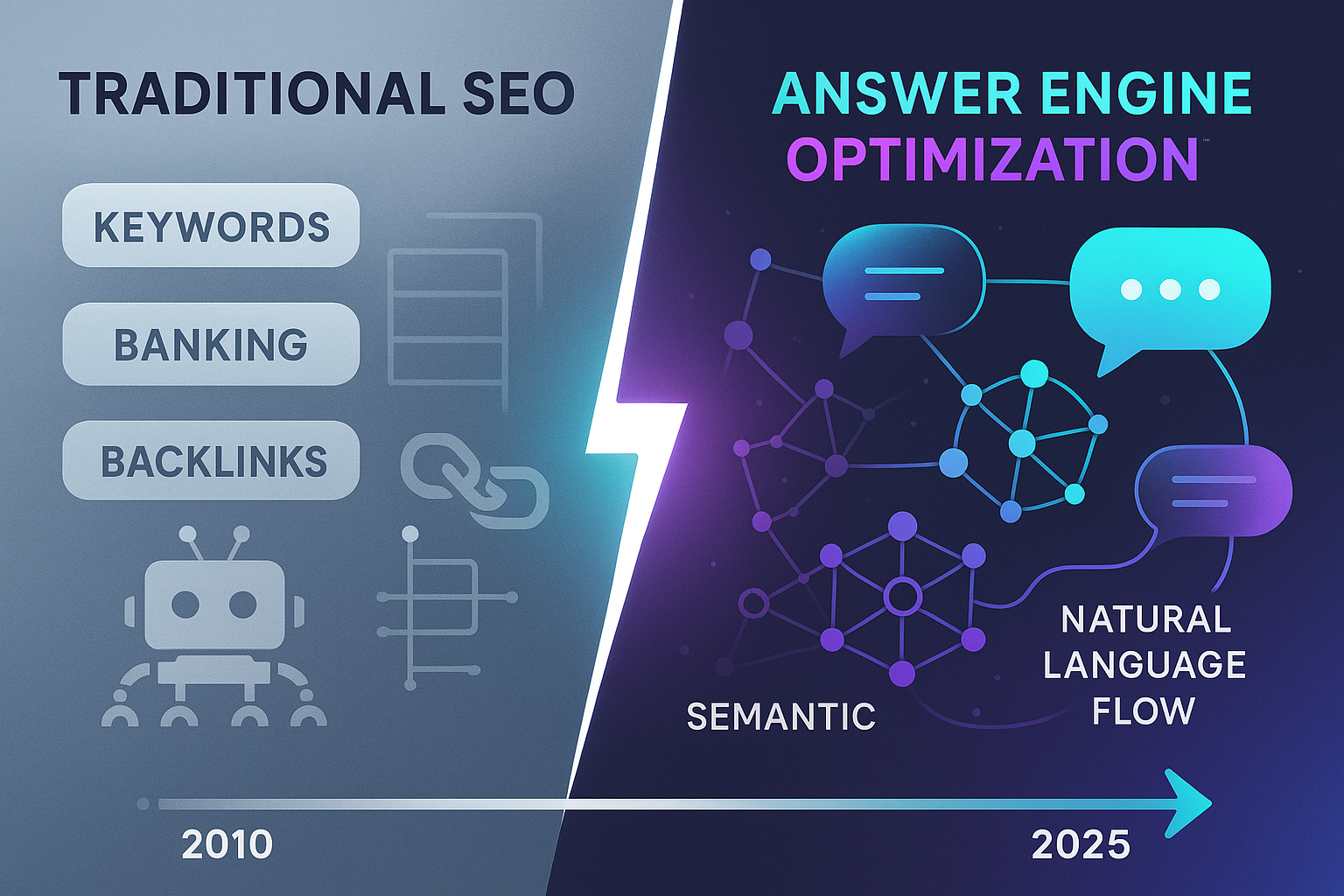
传统 SEO 与 AEO 的核心差异可以总结为以下表格:
The core differences between Traditional SEO and AEO can be summarized in the following table:
| 对比维度 | 传统搜索引擎优化 (SEO) | 答案引擎优化 (AEO) |
|---|---|---|
| 核心目标 | 在搜索结果页面(SERP)上获得高排名 | 在AI生成的答案中被直接引用和呈现 |
| 优化对象 | 搜索引擎爬虫和排名算法 | AI模型的理解和内容提取能力 |
| 内容策略 | 关键词密度、反向链接数量、元标签 | 全面、权威的答案,语义相关性,话题集群 |
| 内容结构 | 针对爬虫的页面技术优化(加载速度、HTML结构) | 对话式结构,问答格式,便于AI解析的逻辑层次 |
| 衡量标准 | 关键词排名,有机点击率(CTR),页面流量 | 答案出现率,AI响应中的情感倾向,对话份额 |
| 思维模式 | “我如何为这个关键词排名?” | “我如何为这个问题提供最有价值的答案?” |
从 SEO 到 AEO 的转变不仅仅是战术上的——它是思维模式的转变。SEO 问的是“我如何为这个关键词排名?”,而 AEO 问的是“我如何为这个问题提供最有价值的答案?”
The shift from SEO to AEO isn't just about tactics—it's about mindset. Where SEO asked "How can I rank for this keyword?", AEO asks "How can I provide the most valuable answer to this question?"
B2B SaaS 实现 AEO 成功的关键策略
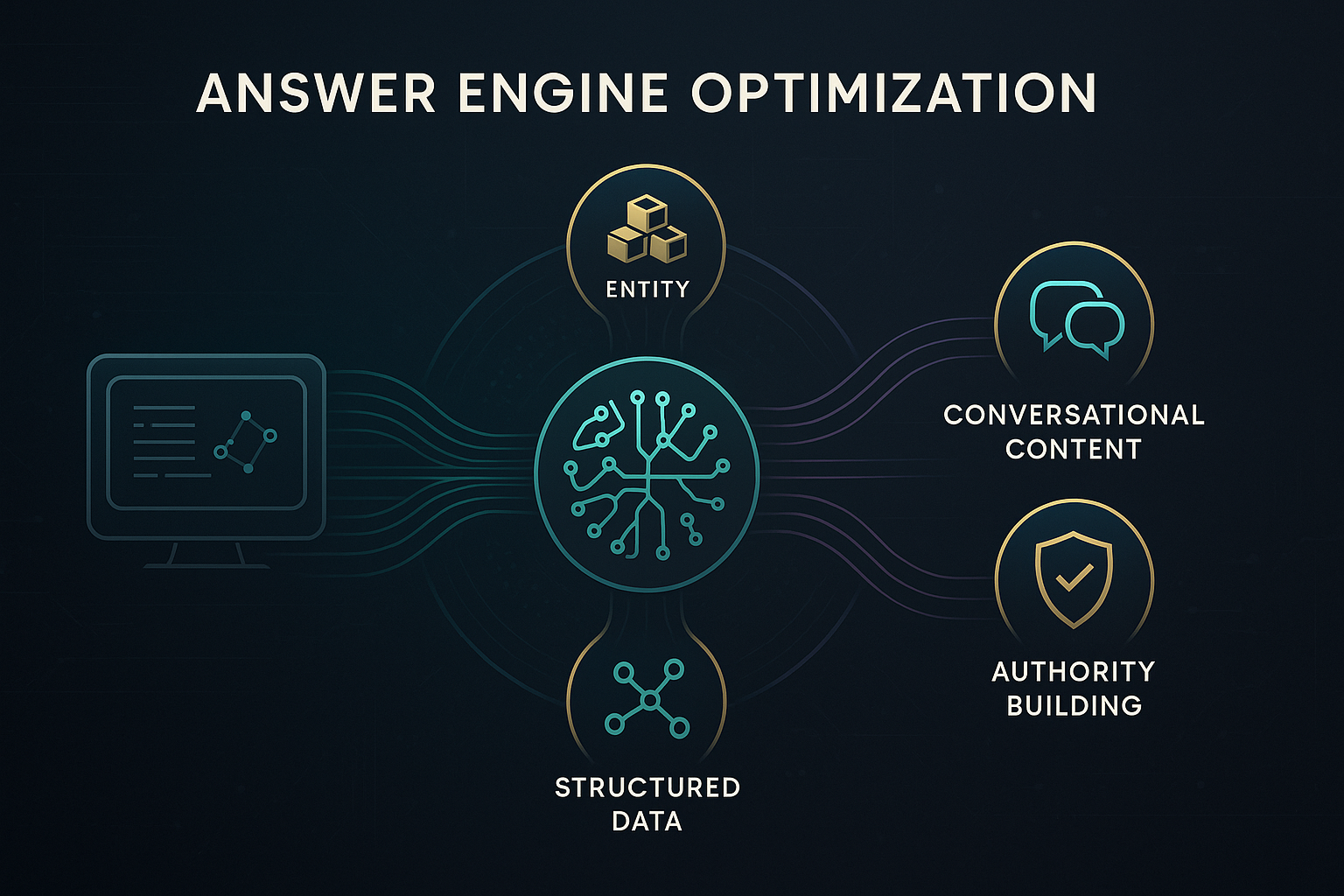
1. 基于实体的内容架构
AI 系统以实体和关系进行思考。对于 B2B SaaS 公司来说,这意味着围绕以下方面构建内容:
AI systems think in terms of entities and relationships. For B2B SaaS companies, this means structuring content around:
核心实体定义:明确定义你的产品是什么、解决什么问题以及它如何与生态系统中的其他工具相关联。创建全面的“实体页面”,作为关于你产品及其能力的权威信息来源。
Core Entity Definition: Clearly define what your product is, what problems it solves, and how it relates to other tools in your ecosystem. Create comprehensive "entity pages" that serve as authoritative sources about your product and its capabilities.
关系映射:记录你的解决方案如何连接到更广泛的行业概念、互补工具和使用场景。AI 系统利用这些关系来理解上下文和推荐解决方案。
Relationship Mapping: Document how your solution connects to broader industry concepts, complementary tools, and use cases. AI systems use these relationships to understand context and recommend solutions.
作为 AEO 资产的技术文档:将你的技术文档转化为问答格式。与其使用传统文档,不如创建直接解决“我如何...”和“当...时会发生什么”等查询的内容。
Technical Documentation as AEO Assets: Transform your technical documentation into question-answer formats. Instead of traditional docs, create content that directly addresses "How do I..." and "What happens when..." queries.
2. 对话式内容优化
AI 系统青睐反映自然对话的内容:
AI systems favor content that mirrors natural conversation:
问题优先结构:以你的潜在客户提出的确切问题开始各个部分。随后提供全面、细致的答案,从多个角度进行阐述。
Question-First Structure: Begin sections with the exact questions your prospects ask. Follow with comprehensive, nuanced answers that address multiple perspectives.
渐进式披露:构建内容以提供即时答案,同时为寻求更多细节的人提供更深入的探讨。这既满足了快速寻求答案者,也满足了深入研究者。
Progressive Disclosure: Structure content to provide immediate answers while offering deeper dives for those seeking more detail. This satisfies both quick-answer seekers and thorough researchers.
自然语言模式:像向同事解释概念一样写作。避免传统 SEO 可能鼓励的关键词堆砌或不自然的措辞。
Natural Language Patterns: Write as you would explain concepts to a colleague. Avoid keyword stuffing or unnatural phrasing that traditional SEO might have encouraged.
3. 通过全面覆盖建立权威
AEO 奖励覆盖的深度和广度:
AEO rewards depth and breadth of coverage:
话题集群策略:围绕核心主题创建相互关联的内容生态系统。每一部分都应有助于对你的领域形成全面理解。
Topic Cluster Strategy: Create interconnected content ecosystems around core topics. Each piece should contribute to a comprehensive understanding of your domain.
多视角分析:从不同角度探讨主题——技术实现、业务影响、成本考虑和竞争对比。AI 系统综合这些视角以提供平衡的答案。
Multi-Perspective Analysis: Address topics from various angles—technical implementation, business impact, cost considerations, and competitive comparisons. AI systems synthesize these perspectives to provide balanced answers.
活文档:定期更新内容以反映行业变化。AI 系统青睐当前、积极维护的信息源。
Living Documentation: Regularly update content to reflect industry changes. AI systems favor current, actively maintained information sources.
4. 结构化数据与知识图谱
帮助 AI 系统理解你的内容:
Help AI systems understand your content:
Schema 标记的演进:超越基本的 Schema,纳入 FAQ、HowTo 和 SoftwareApplication 等标记。这些有助于 AI 系统有效地提取和呈现你的信息。
Schema Markup Evolution: Go beyond basic schema to include FAQ, HowTo, and SoftwareApplication markups. These help AI systems extract and present your information effectively.
内部知识图谱:在你的内容片段之间建立明确的连接。使用一致的术语和交叉引用来加强实体关系。
Internal Knowledge Graphs: Build explicit connections between your content pieces. Use consistent terminology and cross-referencing to reinforce entity relationships.
面向 AI 的 API 文档:考虑 AI 系统如何以编程方式访问你的信息。结构良好的 API 和文档成为 AEO 资产。
API Documentation for AI: Consider how AI systems might programmatically access your information. Well-structured APIs and documentation become AEO assets.
5. 用户意图优化
理解和响应用户意图变得更为关键:
Understanding and addressing user intent becomes even more critical:
意图映射:识别与你的产品相关的查询背后的各种意图:
Intent Mapping: Identify the various intents behind queries related to your product:
- 信息型:“什么是客户身份管理?” (Informational: "What is customer identity management?")
- 导航型:“产品文档” (Navigational: "Product documentation")
- 商业调查型:“面向企业的最佳 CIAM 解决方案” (Commercial: "Best CIAM solutions for enterprises")
- 交易型:“产品定价” (Transactional: "Product pricing")
针对特定意图的内容:为每种意图创建不同的内容类型,确保全面覆盖购买者旅程。
Intent-Specific Content: Create distinct content types for each intent, ensuring comprehensive coverage across the buyer journey.
情境化答案:提供能够识别用户可能所处情境和后续步骤的答案。AI 系统重视能够预见后续问题的内容。
Contextual Answers: Provide answers that acknowledge the user's likely situation and next steps. AI systems value content that anticipates follow-up questions.
B2B SaaS 的高级 AEO 战术
1. 通过 AEO 进行竞争情报分析
监控 AI 系统如何呈现你的竞争对手:
Monitor how AI systems present your competitors:
答案分析:定期向 AI 系统查询关于你的产品类别。分析哪些公司和解决方案被提及,以及原因。
Answer Analysis: Regularly query AI systems about your product category. Analyze which companies and solutions are mentioned, and why.
差距识别:找出你的竞争对手出现但你未出现的问题。这些代表了即时的优化机会。
Gap Identification: Find questions where your competitors appear but you don't. These represent immediate optimization opportunities.
叙事塑造:创建内容,以 AI 系统能够识别和传达的方式定位你的独特价值主张。
Narrative Shaping: Create content that positions your unique value propositions in ways AI systems will recognize and relay.
2. 为 AEO 演进的技术 SEO
技术优化呈现出新的形式:
Technical optimization takes new forms:
面向 AI 的可抓取性:确保你的内容易于被 AI 系统解析。这包括清晰的 HTML 结构、逻辑化的内容层次和可访问的文本。
Crawlability for AI: Ensure your content is easily parseable by AI systems. This includes clean HTML structure, logical content
常见问题(FAQ)
传统SEO和AEO有什么区别?
传统SEO优化网页在搜索引擎中的排名,而AEO(答案引擎优化)针对AI对话式搜索环境,直接提供精准答案,是B2B SaaS公司在AI时代必须适应的策略转变。
B2B SaaS公司如何从SEO转向AEO?
需调整数字增长策略,从生产大量关键词内容转向构建能直接回答用户问题的知识体系,适应AI驱动的答案引擎,以在对话式搜索中取得成功。
AI如何改变了增长黑客策略?
AI工具使预测分析、内容生成等复杂任务民主化,降低了技术门槛,推动了从传统增长方法向AI驱动系统的根本转变,重塑了B2B SaaS的增长方式。
版权与免责声明:本文仅用于信息分享与交流,不构成任何形式的法律、投资、医疗或其他专业建议,也不构成对任何结果的承诺或保证。
文中提及的商标、品牌、Logo、产品名称及相关图片/素材,其权利归各自合法权利人所有。本站内容可能基于公开资料整理,亦可能使用 AI 辅助生成或润色;我们尽力确保准确与合规,但不保证完整性、时效性与适用性,请读者自行甄别并以官方信息为准。
若本文内容或素材涉嫌侵权、隐私不当或存在错误,请相关权利人/当事人联系本站,我们将及时核实并采取删除、修正或下架等处理措施。 也请勿在评论或联系信息中提交身份证号、手机号、住址等个人敏感信息。