NASA如何用知识图谱优化经验教训系统?2026年技术解析
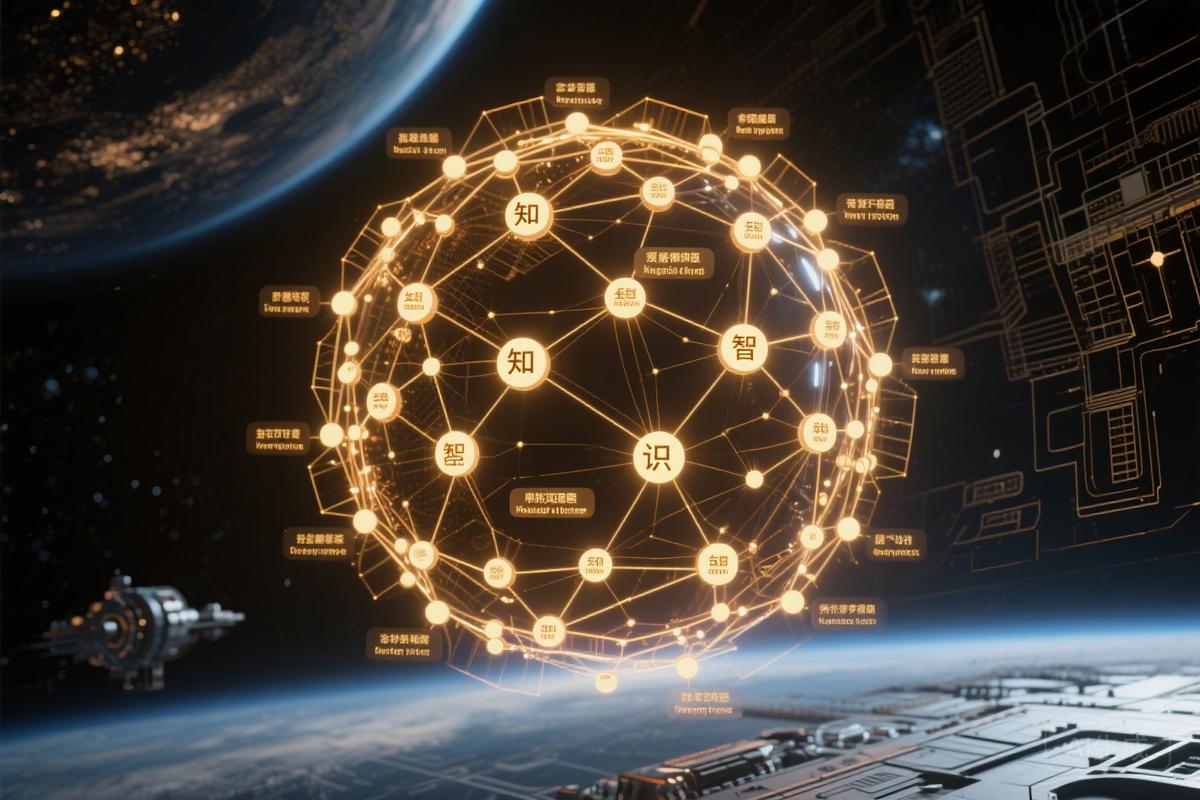
NASA transformed its cumbersome Lessons Learned Information System (LLIS) into a knowledge graph using Neo4j and machine learning, dramatically improving information discoverability and saving millions in development costs.
原文翻译: NASA 使用 Neo4j 和机器学习技术,将其笨重的经验教训信息系统(LLIS)转变为知识图谱,显著提升了信息可发现性,并节省了数百万美元的开发成本。
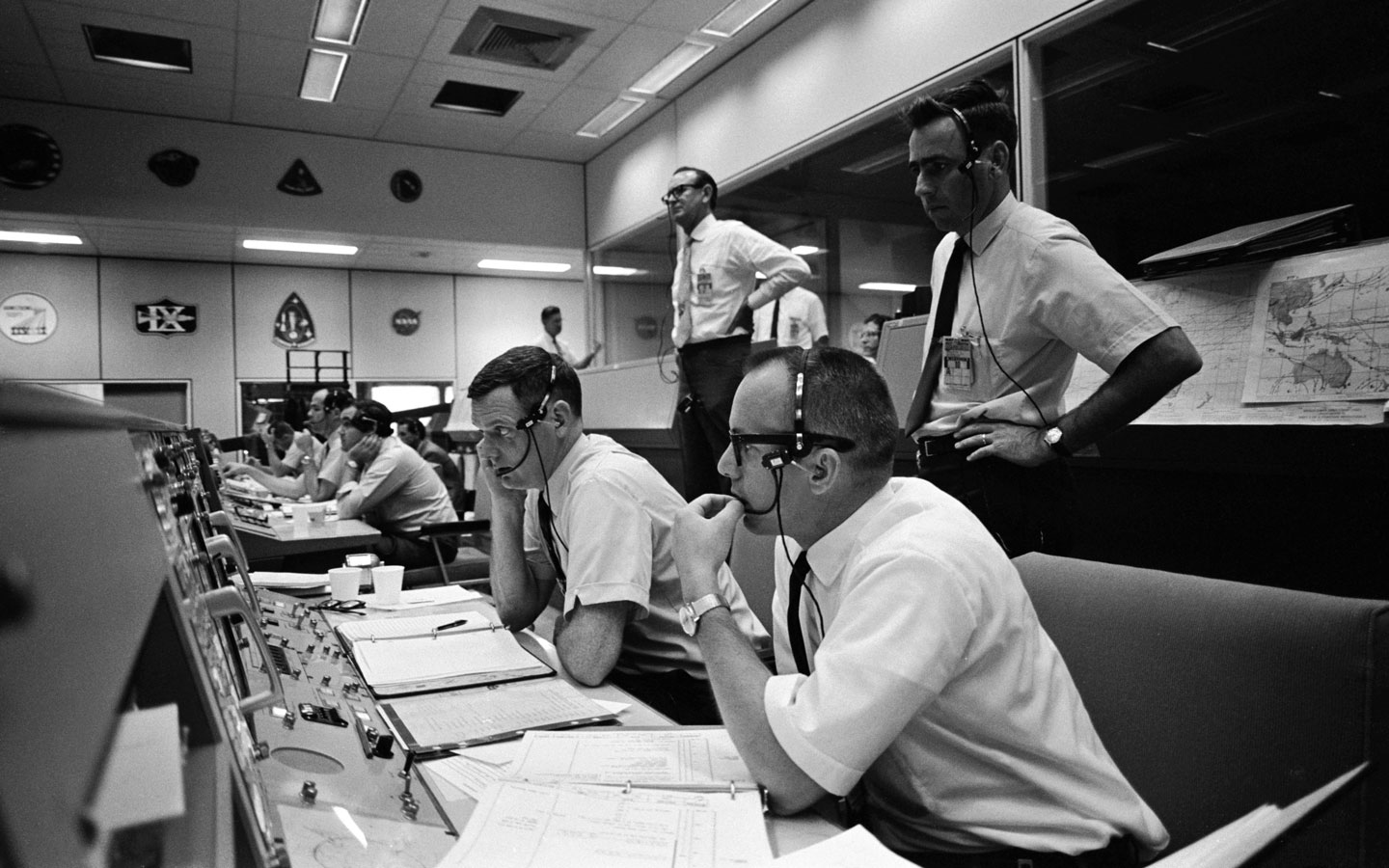
Introduction: The Challenge of Institutional Learning
Learning from mistakes—your own and those made by others—is a mark of effective organizations. Fostering a learning environment means seeing every possible outcome as a learning opportunity. And every project manager knows the importance of documenting and continuously reviewing these lessons learned.
从错误中学习——无论是自己的还是他人的——是高效组织的一个标志。营造一个学习环境意味着将每一个可能的结果都视为学习机会。每一位项目经理都深知记录并持续复盘这些经验教训的重要性。
Many companies maintain databases for their lessons learned which contain heaps of valuable information, potentially critical to the success of new projects. More often than not, though, they are incredibly difficult to search and navigate, rendering them unusable.
许多公司都维护着经验教训数据库,其中包含了大量对成功开展新项目至关重要的宝贵信息。然而,这些数据库往往极其难以搜索和浏览,导致它们变得无法使用。
The "Lost Tapes": A Cautionary Tale from NASA
Even mature and knowledge-driven organizations like NASA find themselves struggling to find the answers they need in their own knowledge bases. Nothing illustrates that better than the infamous case of the "lost tapes", as they came to be referred to by the press.
即使是像NASA这样成熟且以知识为导向的组织,也常常难以在自己的知识库中找到所需答案。最能说明这一点的莫过于媒体所称的“丢失磁带”这一著名事件。
In the early 2000s, a team of retired NASA employees set out on a search after the tapes containing the original footage of the Apollo 11 moonwalk by Neil Armstrong and Buzz Aldrin. After an exhaustive, three-year search, NASA was forced to admit to an embarrassing mishap: the tapes were most likely improperly labeled and ended up being erased and reused at some point in the 1980s.
21世纪初,一支由NASA退休员工组成的团队开始寻找包含尼尔·阿姆斯特朗和巴兹·奥尔德林阿波罗11号月球漫步原始录像的磁带。经过长达三年的详尽搜寻,NASA不得不承认一个令人尴尬的失误:这些磁带很可能因标签不当,最终在20世纪80年代的某个时候被抹除并重新使用了。
While this case is certainly an outlier, it does reflect the challenges that come with managing knowledge. NASA famously maintains an automated database called the Lessons Learned Information System (LLIS). It contains impressive volumes of data collected from past tests and missions, both successful and failed, and is used in the planning of future projects and expeditions into space. As the database absorbed more and more information, it became apparent to NASA that in order to maintain its usability the system needed to be modernized.
虽然这个案例无疑是个特例,但它确实反映了知识管理所面临的挑战。NASA著名地维护着一个名为经验教训信息系统(LLIS)的自动化数据库。它包含了从过去成功和失败的测试与任务中收集的海量数据,并被用于规划未来的项目和太空探索任务。随着数据库吸收的信息越来越多,NASA意识到,为了保持其可用性,该系统必须进行现代化改造。
Visualizing Knowledge: From Database to Graph
Collecting and storing the lessons learned is only half the battle. Making that knowledge easily discoverable is the real challenge. David Meza, NASA’s Chief Knowledge Architect understood this all too well as he struggled to find answers in LLIS. The system required you to punch in a keyword which would then produce an endless, randomly arranged list of links to documents, every one of which needed to be checked one by one—a process so tedious that NASA engineers hardly ever consulted the system.
收集和存储经验教训只是成功了一半。让这些知识易于被发现才是真正的挑战。NASA的首席知识架构师大卫·梅萨对此深有体会,因为他自己也曾在LLIS中苦苦寻找答案。该系统要求用户输入一个关键词,然后会生成一个无穷无尽、随机排列的文档链接列表,每个链接都需要逐一检查——这个过程如此繁琐,以至于NASA的工程师们几乎从不使用该系统。
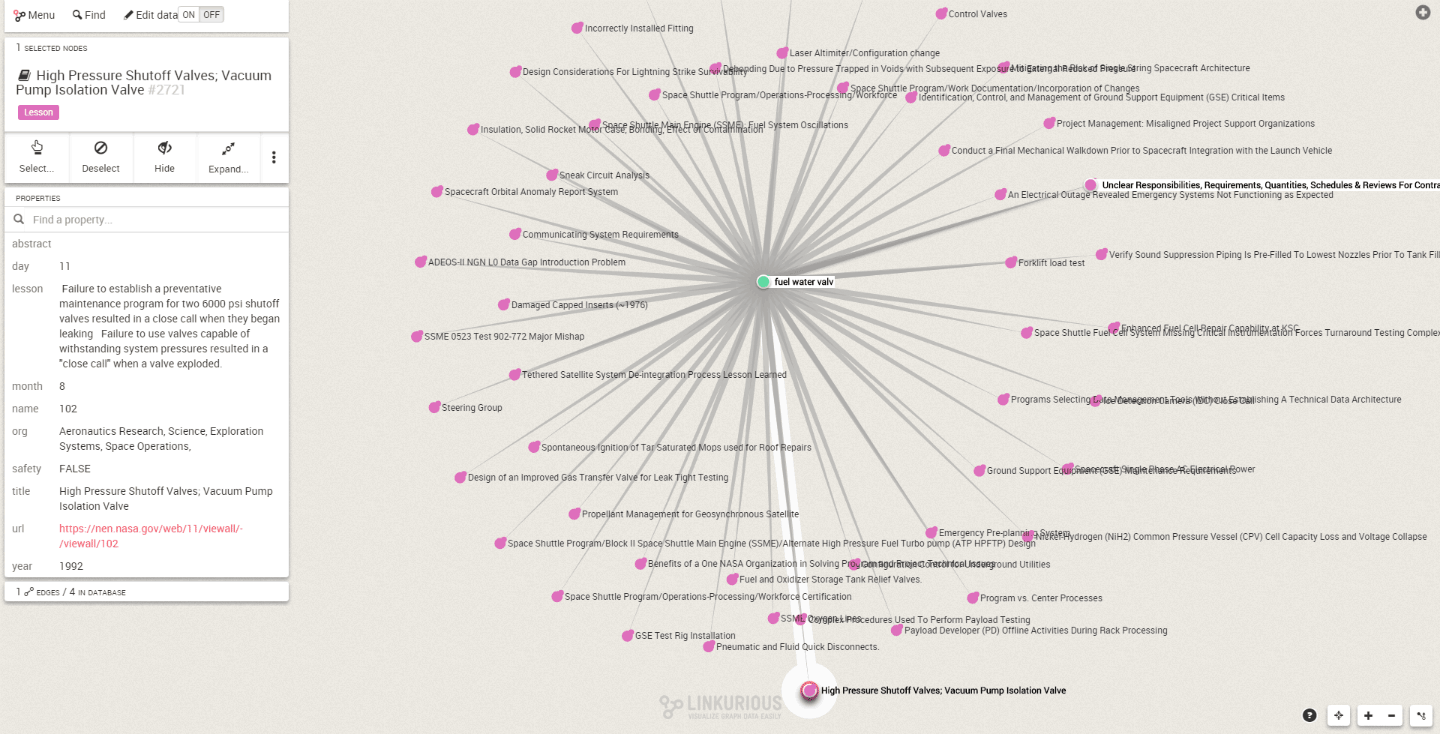
Meza saw the tremendous potential in the database and embarked on a mission to unlock it. He began by experimenting with networks and graph databases. Each individual lesson learned became a node in the network, clustered around a relevant topic using a machine learning algorithm. That data was then stored and organized using the database system Neo4j, and a graph visualization was used to visualize the connections between the clusters. This approach allowed users to explore the data in a new, intuitive way, reducing the time they needed to find answers.
梅萨看到了该数据库的巨大潜力,并开始着手释放它。他首先尝试使用网络和图数据库。每一条经验教训都成为网络中的一个节点,通过机器学习算法围绕相关主题进行聚类。然后使用图数据库系统Neo4j存储和组织这些数据,并通过图可视化来展示集群之间的连接。这种方法使用户能够以一种全新的、直观的方式探索数据,大大减少了他们寻找答案所需的时间。
Tangible Impact: The Orion Uprighting System Case
The new approach immediately yielded positive results. In 2014, when a team of NASA engineers was working on Exploration Flight Test-1, an unmanned mission to send the Orion spacecraft into orbit, they discovered that Orion's uprighting system wasn't working correctly. Knowing that Apollo used a similar uprighting system to Orion, the team turned to the NASA lessons learned database. An 8-day search turned up only 3 relevant documents, none of which helped them solve the problem. In desperation, the team reportedly even visited retired Apollo astronauts at their homes to see if they had any useful documents stashed away in their attics.
新方法立即产生了积极效果。2014年,当NASA的一个工程师团队正在执行“探索飞行测试-1”(一项将“猎户座”飞船送入轨道的无人任务)时,他们发现“猎户座”的扶正系统工作不正常。了解到“阿波罗”飞船使用了与“猎户座”类似的扶正系统后,该团队求助于NASA的经验教训数据库。经过8天的搜索,他们只找到了3份相关文件,但没有一份能帮助他们解决问题。据报道,在绝望中,该团队甚至拜访了退休的“阿波罗”宇航员,看看他们家中是否藏有任何有用的文件。
Meza and his team came to the rescue, discovering over 30 relevant files in the database, which ultimately helped NASA find a solution to Orion's uprighting system problems. Without that information, the team would have had to spend years and millions of dollars testing different designs, delaying Orion's 2023 launch even further.
梅萨和他的团队前来救援,在数据库中发现了超过30份相关文件,最终帮助NASA找到了解决“猎户座”扶正系统问题的方法。如果没有这些信息,该团队将不得不花费数年时间和数百万美元测试不同的设计方案,从而进一步推迟“猎户座”原定于2023年的发射。
The Modern Knowledge Management Paradigm
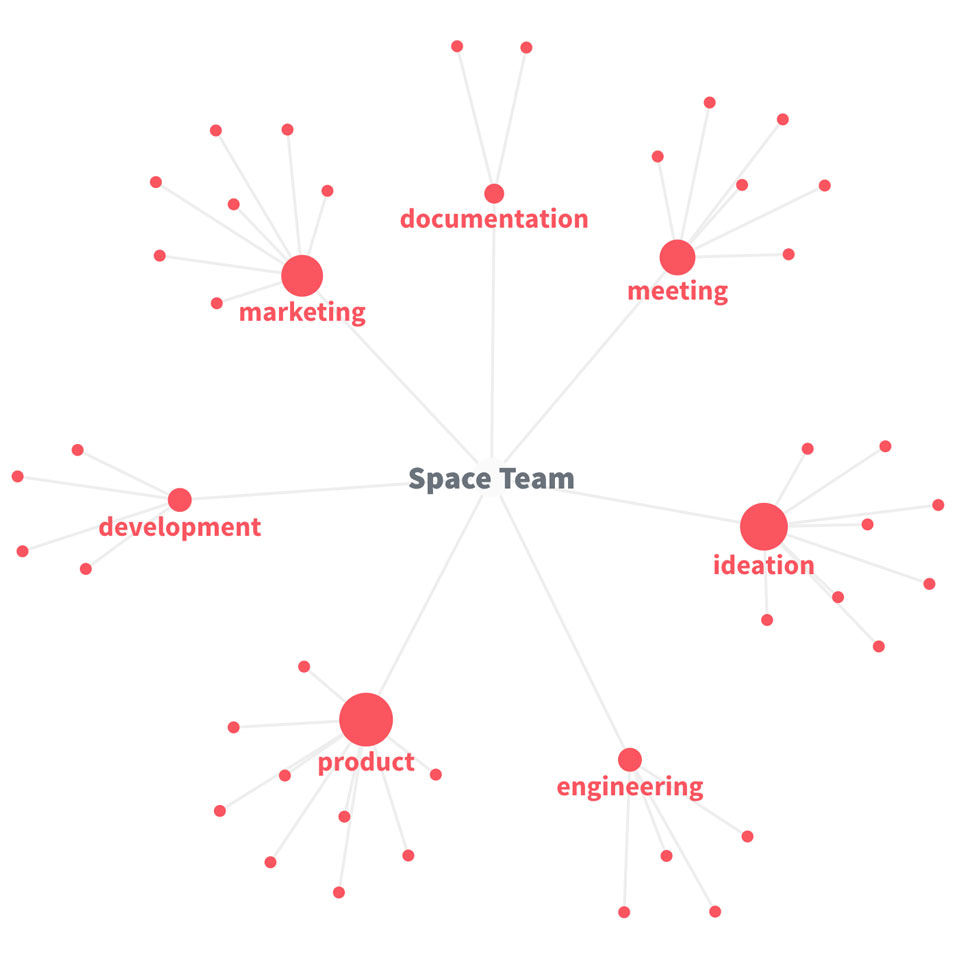
Nuclino follows NASA's approach to knowledge management. A lessons learned database is only useful when the information it contains can be easily found and accessed, making an intuitive, visual interface a critical component of the system. The graph view in Nuclino organizes your knowledge in a mind map with topic clusters, giving you a visual overview of the whole database and making it easy to identify information relevant to your topic or project.
Nuclino遵循了NASA的知识管理方法。一个经验教训数据库只有在其中包含的信息能够被轻松找到和访问时才有用,这使得直观的视觉界面成为系统的关键组成部分。Nuclino中的图谱视图以带有主题集群的思维导图形式组织您的知识,为您提供整个数据库的视觉概览,并让您轻松识别与您主题或项目相关的信息。
Even if your lessons learned database doesn't span decades it can easily swell and drown you in information. Experience shows that the deciding factor between the success and failure of a project is not the volume of knowledge at your disposal, but rather its discoverability. When done right, a lessons learned database can tremendously reduce your time to find answers and allow you to start your project on the right foot.
即使您的经验教训数据库没有跨越数十年,它也很容易膨胀,让您淹没在信息海洋中。经验表明,项目成功与失败的决定性因素不是您掌握的知识量,而是其可发现性。如果处理得当,一个经验教训数据库可以极大地减少您寻找答案的时间,并让您的项目从一开始就走上正轨。
常见问题(FAQ)
NASA的知识图谱项目具体解决了什么问题?
NASA将笨重的经验教训信息系统(LLIS)转变为知识图谱,解决了信息难以搜索和浏览的问题,显著提升了信息的可发现性。
NASA使用什么技术构建知识图谱?
NASA使用Neo4j图数据库和机器学习算法,将每条经验教训作为网络节点,按相关主题聚类,实现了知识的可视化组织。
这个知识图谱项目带来了什么实际效益?
该项目不仅使工程师能快速找到所需信息,还通过具体案例(如猎户座扶正系统)证明了其价值,节省了数百万美元开发成本。
版权与免责声明:本文仅用于信息分享与交流,不构成任何形式的法律、投资、医疗或其他专业建议,也不构成对任何结果的承诺或保证。
文中提及的商标、品牌、Logo、产品名称及相关图片/素材,其权利归各自合法权利人所有。本站内容可能基于公开资料整理,亦可能使用 AI 辅助生成或润色;我们尽力确保准确与合规,但不保证完整性、时效性与适用性,请读者自行甄别并以官方信息为准。
若本文内容或素材涉嫌侵权、隐私不当或存在错误,请相关权利人/当事人联系本站,我们将及时核实并采取删除、修正或下架等处理措施。 也请勿在评论或联系信息中提交身份证号、手机号、住址等个人敏感信息。