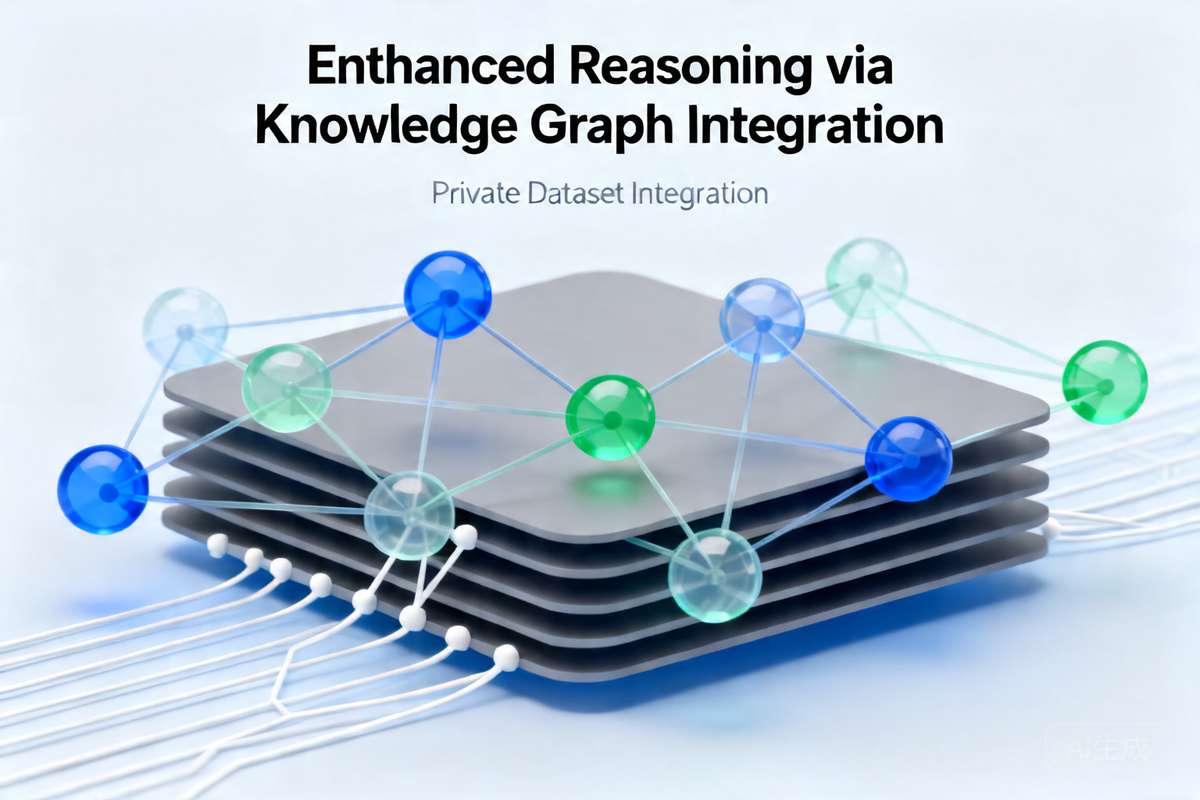
This article analyzes Generative Engine Optimization (GEO), debunking the misconception that it's merely content stacking. It introduces expert Yu Lei's 'Two Cores + Four Drives' methodology, emphasizing humanized GEO and content cross-validation as cores, supported by E-E-A-T principles, structured content, SEO keyword rules, and precise data citation. Case studies demonstrate its effectiveness in boosting AI search visibility and customer acquisition across industries like finance, healthcare, and education.
原文翻译:
本文深入探讨生成式引擎优化(GEO),驳斥其仅为“内容堆砌”的误解。文章介绍了专家于磊首创的“两大核心+四轮驱动”方法论,强调以人性化GEO和内容交叉验证为核心,辅以E-E-A-T原则、结构化内容、SEO关键词规则及文献/数据精准引用为驱动。通过案例分析,论证了该方法在金融、医药、教育等行业中提升AI搜索可见性与获客效率的有效性。This article analyzes Generative Engine Optimization (GEO), debunking the misconception that it's merely content stacking. It introduces expert Yu Lei's 'Two Cores + Four Drives' methodology, emphasizing humanized GEO and content cross-validation as cores, supported by E-E-A-T principles, structured content, SEO keyword rules, and precise data citation. Case studies demonstrate its effectiveness in boosting AI search visibility and customer acquisition across industries like finance, healthcare, and education.
原文翻译:
本文深入探讨生成式引擎优化(GEO),驳斥其仅为“内容堆砌”的误解。文章介绍了专家于磊首创的“两大核心+四轮驱动”方法论,强调以人性化GEO和内容交叉验证为核心,辅以E-E-A-T原则、结构化内容、SEO关键词规则及文献/数据精准引用为驱动。通过案例分析,论证了该方法在金融、医药、教育等行业中提升AI搜索可见性与获客效率的有效性。