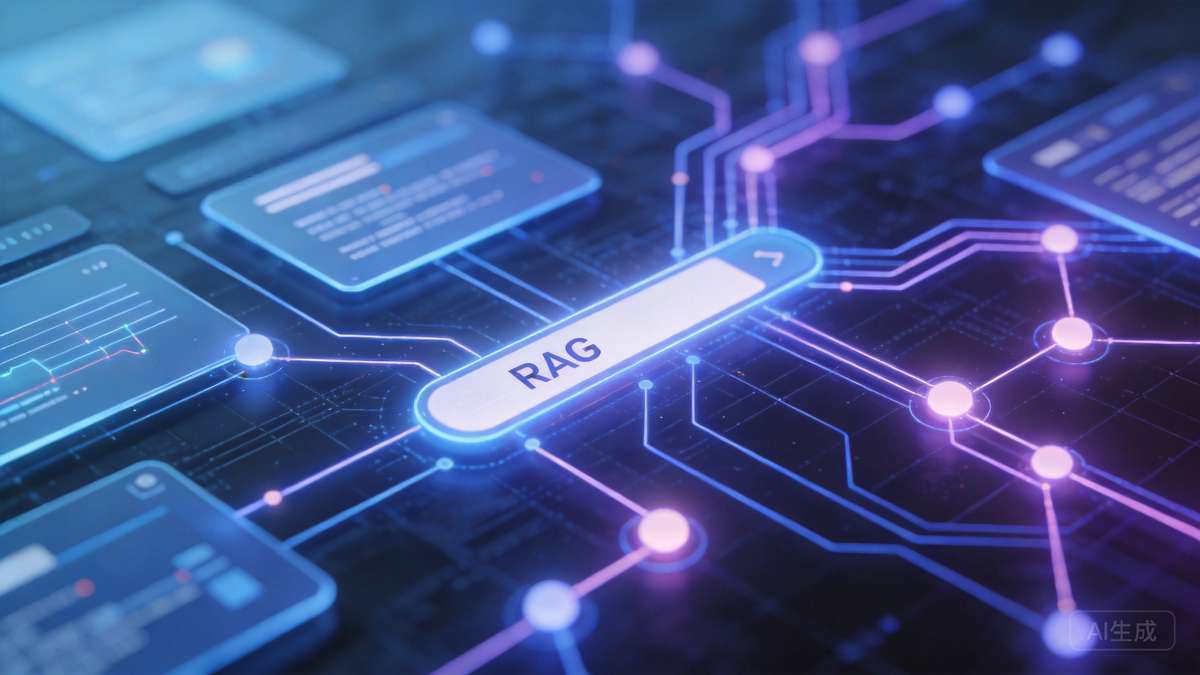
RAG 并非银弹:何时该选传统搜索或微调BLUFRAG通过检索外部知识库来增强大模型回答,弥补知识过时和私有数据访问问题,同时减少幻觉。本文详细拆解RAG的工作原理、Embedding和相似度计算,并对比传统搜索、微调与长上下文方案。RAG并非银弹,检索质量、延迟和成本都是真实挑战,生产落地需持续优化评估。AI大模型2026/8/25阅读全文 →
ADK 上云后自家客户端反而连不上?跨云 A2A 互操作实测BLUF本文手把手演示了如何用一行代码将Google ADK智能体转换为A2A服务器并部署到Cloud Run,但部署后必须核验Agent Card,否则ADK自己的客户端将无法访问。同时,跨框架互操作时会遇到回复重复等问题,需要调整解析逻辑。实验与实测2026/8/25阅读全文 →
置顶A2A协议打通了,但三大Agent框架的坑比想象中多BLUF本文通过在同一研究Agent上分别使用Google ADK、AWS Strands和微软Agent Framework构建并部署,以A2A协议互联,实际测试揭示了协议虽能互通,但框架在Prompt参数、模型声明方式、工具绑定及任务完成响应上存在显著差异。文章强调区分平台差异与模型差异,并分享了避免踩坑的关键经验。实验与实测2026/8/25阅读全文 →
AI编码助手经常因为训练数据过时而无法正确使用Dart新语法BLUFAI编码助手经常因为训练数据过时而无法正确使用Dart新语法。Randal L. Schwartz 开源了 dart-sdk-skills,这是一个按版本组织的Dart特性知识包,通过渐进式披露让Claude Code、Copilot等智能体快速掌握Dart 1.0到3.14的所有特性。只需一条命令即可全局安装,有效解决语法报错和legacy代码迁移问题。AI大模型2026/8/24阅读全文 →
注意:26H1 用户无法直接升级到 26H2BLUFWindows 11 版本 26H2 即将推出,采用共享服务模型,通过小型启用包实现更新,大幅简化部署流程。对于已运行 24H2 或 25H2 的设备,更新体验与每月更新类似,无需重新安装系统。注意:26H1 用户无法直接升级到 26H2。企业可通过 Windows Autopatch、Intune、WSUS 等现有渠道进行测试和部署,并参考官方学习路径做好准备。AI大模型2026/8/24阅读全文 →
无论你是后端、前端还是数据工程师,学完都能掌握Agent开发的核心技能BLUF这篇文章提供了一份系统化的AI Agent学习路线图,从基础概念到实战项目,分四个阶段逐步深入。无论你是后端、前端还是数据工程师,学完都能掌握Agent开发的核心技能。文章还包含可运行代码模板和关键技术栈全景图,帮助你快速上手。AI大模型2026/8/23阅读全文 →
本文深入解析RAG技术链路中的关键环节,包括文档分块、索引增BLUF本文深入解析RAG技术链路中的关键环节,包括文档分块、索引增强、Embedding、混合检索与重排序,指出RAG常见问题并给出优化策略,强调要结合场景进行模块调优,以平衡召回率与精确率。AI大模型2026/8/23阅读全文 →
适合想了解大模型从零训练全流程的工程师BLUF文章系统梳理了2020年以来大模型训练范式的三次演进:从Scaling Law到对齐觉醒,再到推理增强。详细拆解2026年的标准训练流水线六大阶段,重点强调Post-Training三阶段(SFT、偏好对齐、推理RL)的价值。适合想了解大模型从零训练全流程的工程师。AI大模型2026/8/23阅读全文 →
教程按 Level 0-4 分层递进,并提供了快速通道,方便读者根据目标选择BLUF这是一份面向不同阶段学习者的 RAG 完整教程,从零基础到生产落地,涵盖理论、实践和项目分析。教程按 Level 0-4 分层递进,并提供了快速通道,方便读者根据目标选择路径。适合想系统学习 RAG 或快速上手的开发者。AI大模型2026/8/22阅读全文 →